Swept Away

There are times when I wish I had the skills to be a political cartoonist, and this is one of those times.

I am imagining a huge hurricane bearing down on the huddles of Republicans and Democrats, each hunched in conspiratorial circles around their own little campfires, plotting away about TV ads and televised speeches, while the lightening sears the electrical grid, huge ships get washed up on the streets of coastal cities, and homes are blasted and flattened. Those crazy strategists don’t even look up until the pouring rain puts out their fire, and by then the storm is on them and it’s too late to run and there’s nowhere to hide.

Reading the latest political blog from The New York Times “Caucus” column makes me feel sick.

Here comes a storm that may cost lives and billions in property damage, and all the brightest minds in Washington DC can think about is how best to play it politically?

If that is the way all threats to our wellbeing are treated by our politicians, it is no wonder that we’re in such trouble today.

I expect better from the Democrats, but as so many of my readers have insisted vociferously lately, maybe I need to take off my rose-colored glasses and see my party for what it is.

Just another political party whose main goal and raison d’etre is simply Power.  Politicians who try to play by more humanitarian rules don’t seem to get too far in Washington.  Once they get into the clutches of the political strategists, their lives and minds are not their own.

There must be another way.

I can take off my rose-colored glasses as regards what we have now, the players currently on the ground.  But I refuse to let go of my hope that the system can be better.

True, the Marxist experiment has not worked, and nothing has come along to offer another vision of a more ideal socio-political-economic system.

But there are some interesting ideas brewing on the margins now.  The Living Economies movement, the Green Party agenda, the whole ethos of sustainability as opposed to limitless growth.

Maybe the real end to that cartoon strip I’m imagining is what happens the day after the storm.

The Republicans and Democrats are standing on soapboxes making speeches about how much they care about the damage, but no one is listening to them. People are going about the business of clean-up with determination and good cheer, and it’s quite clear that they have no use at all for the out-of-touch pols.

Yes, those elected officials do control the purse strings of “disaster relief.”   But that’s our money they’re parsing out!  Our tax dollars, far too much of which goes to blowing things up in the military, rather than in constructing a solid, sustainable economy.

The question I am mulling over this morning is, what will it take to achieve fundamental political changes in our country?   Can we do it by reform, or is it going to take all out revolution?

Or will Mother Earth do it for us, sweeping it all away to make way for a new epoch?

American insanity

I admit to a feeling of dejection at being back in the USA again.

Same old callous attitude towards women vomiting out of the Republican Party (“legitimate rape,” my ass!).  Same old desperate pleas for money from the Democrats, who are forced to beg for funds from small fry like me to try to compete with the billionaire Republican funders.  Same old blithe disconnect between the reality of climate change (drought, anyone?) and the steady roar of the fracking drills in Pennsylvania and the oil rigs in the Gulf of Mexico.  Shrimp and fish turning up grotesquely deformed by tumors, eyeless and burned, for hundreds of miles around the BP spill.  Whatever.

Not that things were paradise in Canada.  The crash of the fish populations there is alarming, and they too are involved in the dirtiest of business in the Alberta boreal forest (which I refuse to call by the euphemism “tar sands,” implying as it does that there’s nothing there worth saving).  They clearcut forests and pollute rivers and all the rest of it.

But from just a few weeks of tuning into the media there, I can tell that there is much more clarity and focus there on environmental issues.  Every single issue of the Halifax Chronicle Herald has at least one article, and usually several, about energy or agricultural or fishery policy in relation to climate change.  They are actually working towards meeting the goal they set for themselves of generating 15% of the nation’s energy needs by renewable means by 2020, and many are calling for a more ambitious target.

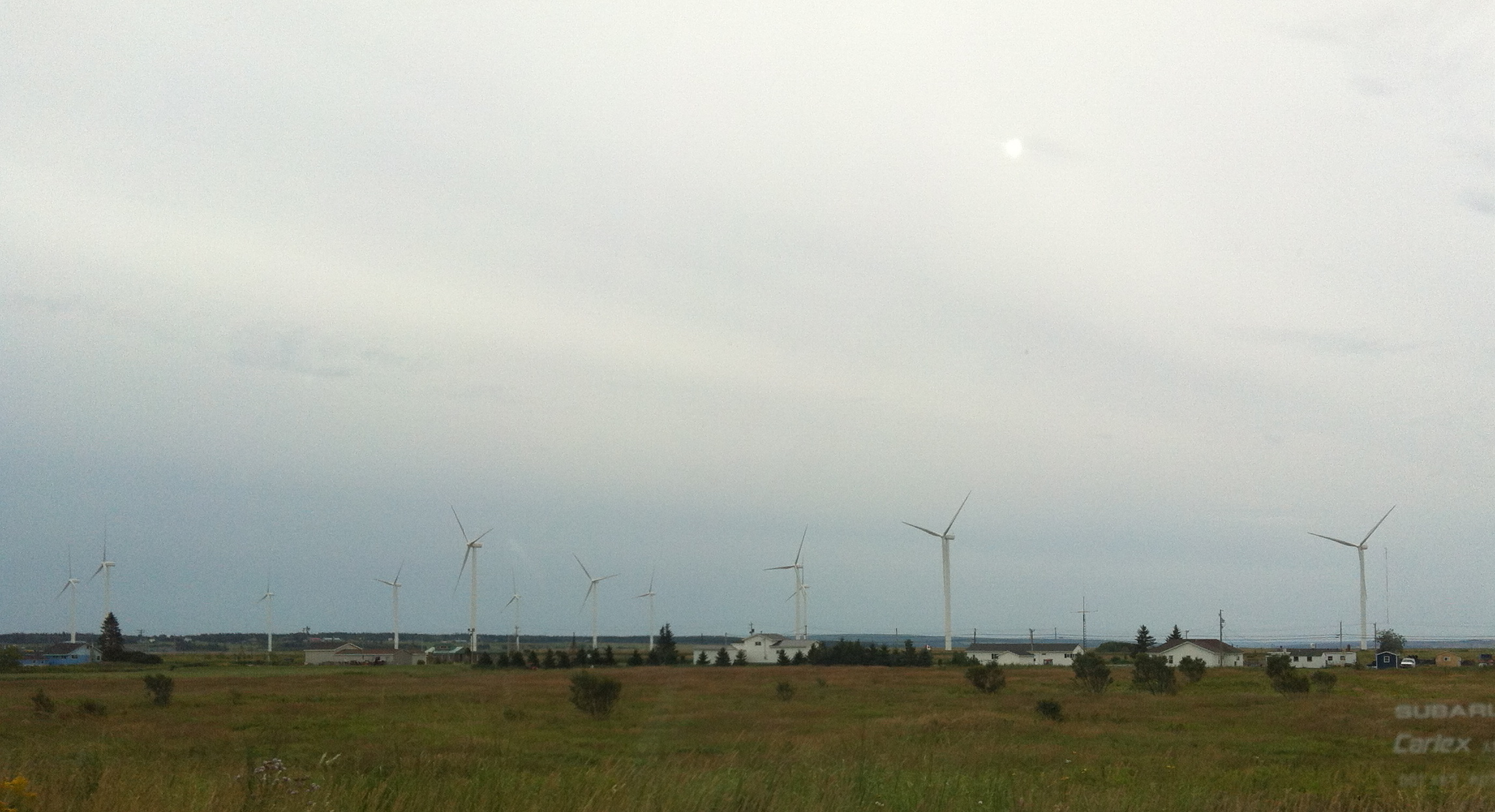
Coming across the land bridge into Nova Scotia one is now greeted by a newly erected forest of huge wind turbines, and there are water turbines churning in the nearby waters of the Bay of Fundy, too.  Many more are in the works.

Although there is political strife in Canada, such as has boiled up in Quebec in recent months, there is none of the viperous, self-destructive attack politics that goes by the bland name of “the election year cycle” here in the States.  Politicians campaign on the issues rather than on smearing and sniping at each other. Voter turnout is about 60%, as compared to the dismal 40% in the U.S.

Why do so many people feel disengaged, disillusioned, and disgusted with politics here in the U.S.?  Why do we feel like no matter how we vote, our values will not be reflected in Washington?

Because it’s true.

I happen to believe that Barack Obama shares my values.  I believe he is a genuinely caring, ethical man who sincerely wants to create a country in which politicians collaborate rather than backstab each other; in which government and corporations serve the public good; in which the goal of economic activity is raising all boats, rather than creating a few luxury liners for the richest 1% of Americans.  I believe he’s a good man.

And yet, he has been unable to make a dent in politics as usual in Washington.  The Republicans have shown repeatedly that they are the party of the wealthy boardrooms of Big Business and Big Finance, and since they own so much of the news media, and so many think tanks, and so many political seats, including Supreme Court seats, well, they can do as they wish and everyone else be damned.

I have noticed a certain grim set to Obama’s jaw in the last year, as the reality of his fly-in-the-web position has sunk in.  He knows that even if he wins re-election, he will be foiled at every turn.  And it doesn’t help that it’s getting harder and harder for him to inspire his base—people like me who are beyond frustrated with the status quo, and no longer believe he and his team can make a change.

When I get those daily emails from Democratic headquarters pressing me to donate to the campaign (just $12!), and then I hear about how the Koch brothers are donating millions to the Romney campaign, the little sprout of hope that springs eternal in me just starts to wither.

Yes, if 100 million Americans donated $12 to Obama it would make a big difference.  But frankly I would rather see some savvy crowdsourcing through social media, with the goal less raising money to burn up on TV than getting more people out to the polls on election day, and empowering ordinary Americans to rise up and insist on real representation in Washington.

I am not interested in betting on the horse race.  I can’t sanction the wasteful spending of huge sums on campaigning, while our planet burns and billions of people are locked in poverty.

Romney will be bad—very, very bad—for the health of the environment and all living things, including humans.

He, and all the slimy bastards who prop him up, must be defeated.

But this battle is about much more than just one country’s Presidential race.  It’s about our future on this planet.  A vote for Romney is a vote for business as usual, and then some—drill, baby, drill.

Why is it that so many Americans are so suicidal?

Maybe we need some collective social therapy more than anything else.

It really does seem that as a nation, we are insane.

Call the bouncer: Let’s show Romney/Ryan the door

As many pundits have been remarking, the choice of Rep. Paul Ryan as Mitt Romney’s running mate appears to be a gift to the Democratic Party.  Ryan is such a rabidly conservative Tea Party type that he makes Romney look fangless by comparison; as a team they are guaranteed to demonstrate just how out of touch the Republicans are with the mood of most Americans.

How could we elect a President whose VP wants to slash every social service, from food stamps for children to Pell grants for college students to health care for the poor? Ryan is a throwback to the Gilded Age, starving the poor while throwing ever bigger bones to the rich, in the form of tax cuts, loose regulation and subsidies for big business.

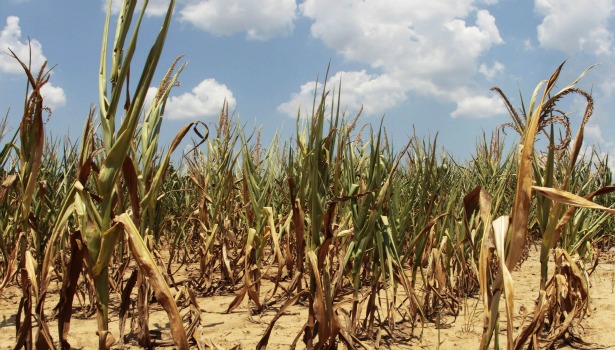
Funny how history repeats itself, with a Dust Bowl rearing its emaciated head this summer in the Midwest, prompting panicked farmers to appeal frantically to their Congressmen for a robust farm bill, including generous crop failure insurance to keep hope alive for the next growing season.

In the House of Representatives, Ryan and his cronies won’t hear of enacting a farm bill unless it also includes substantial cuts to the nation’s food stamp program.

That’s right—the Republicans are holding the nutrition of America’s most vulnerable citizens—many of them children and the elderly—hostage to political machinations, while also failing to protect farmers and ranchers.


But the truth is that all the farm subsidies and food stamp programs in the world are just bandaids that don’t begin to address the serious underlying issues that must be dealt with as we move on into the perilous 21st century.

Even The New York Times, surely no tree-hugging type of newspaper, published an op-ed column recently pointing to the fact that if the U.S. government simply stopped pouring so much American corn into ethanol, the anticipated drought-related food shortages and price increases would simply fail to materialize.

“Federal renewable-fuel standards require the blending of 13.2 billion gallons of corn ethanol with gasoline this year. This will require 4.7 billion bushels of corn, 40 percent of this year’s crop,” say the authors, Colin A. Carter, a professor of agricultural and resource economics at the University of California, Davis, and Henry I. Miller, a physician and a fellow in scientific philosophy and public policy at the Hoover Institution.

“Any defense of the ethanol policy rests on fallacies, primarily these: that ethanol produced from corn makes the United States less dependent on fossil fuels; that ethanol lowers the price of gasoline; that an increase in the percentage of ethanol blended into gasoline increases the overall supply of gasoline; and that ethanol is environmentally friendly and lowers global carbon dioxide emissions.

“The ethanol lobby promotes these claims, and many politicians seem intoxicated by them. Corn is indeed a renewable resource, but it has a far lower yield relative to the energy used to produce it than either biodiesel (such as soybean oil) or ethanol from other plants. Ethanol yields about 30 percent less energy per gallon than gasoline, so mileage drops off significantly. Finally, adding ethanol actually raises the price of blended fuel because it is more expensive to transport and handle than gasoline.”


Looking at this bigger picture allows us to see that the Midwest drought, while serious, does not have to result in a crisis of food insecurity in the U.S. or in the many other countries that depend on U.S. agriculture.

Not if we had a strong, smart government that could wield the power of policy and regulation intelligently.

We need a farm bill that will encourage farmers to diversify their crops rather than plant millions of acres of corn to turn to fuel.

We need an energy policy that sharply increases incentives for conservation at every level, from personal household energy use to industrial use, and starts aggressively switching our national transportation system to public mass transit, at the same time promoting the development of renewable energy sources nationwide.

We need a social welfare bill that looks deeply into the reasons why more and more Americans are forced to rely on food stamp and food pantries to stave off hunger, and figures out lasting, community-oriented solutions to the vicious cycles of poverty that plague too many American families.

It’s past time to start a new Civilian Conservation Corps that will put ordinary Americans to work at worthy projects that will be far better in every way than grudging handouts.


Recent polls show that a solid majority of Americans now acknowledge the reality of anthropogenic global heating, and they are worried about what the next season’s erratic weather patterns will bring.

It’s a good time to start enacting policy directives that will help us shift, as a nation and as a patchwork of smaller communities, away from our gas-guzzling, coal-burning past into a cleaner, wiser future.

It’s a good time to start building the resilience we’ll need at the local level to withstand the environmental and economic shocks that are coming.

It’s high time we kicked the gridlock-inducing, ham-fisted, hard-hearted Tea Partiers out of Congress, and elected some political representatives who are willing and able to be the visionary leaders this country so badly needs.

Time to show some backbone on gun control!

Another summer, another mass shooting of innocent civilians.

Another round of media feeding frenzy on the tragedy, another collective outpouring of sympathy and outrage from the public, another set of poses and postures from politicians for and against increased regulation of weapons in this country.

It’s gotten to be so predictable, it’s hard to get that engaged, although of course one has to pause and reflect on the horror of being mowed down in one’s seat in a suburban movie theater.

The truth is, it’s amazing that this sort of thing doesn’t happen more often in America.

After all, we are the largest gun manufacturer in the world.  We’re also the largest producer of violent entertainment in the world, from BATMAN to video games to pornography.

Barring countries actively engaged in civil war—Syria, anyone?  Israel/Palestine? Congo?—we sport the most heavily armed civilian population in the world.

As the pundits have been saying repeatedly all day, states like Colorado have no regulation at all over who can buy assault weapons.  Any Joe can walk in to a gunshop and walk out with an AK-47, no questions asked.

With policies like that, is it any wonder lethal weapons end up in the hands of loonies and psychopaths?

Everyone knows what needs to be done: we need to make it much harder to obtain weapons, especially assault weapons.

After all, we don’t let kids get into cars and drive them without training and licensing, because we know cars can be easily turned into lethal weapons.

But actual guns, whose sole purpose is killing, we sell over the counter without screening or comment.

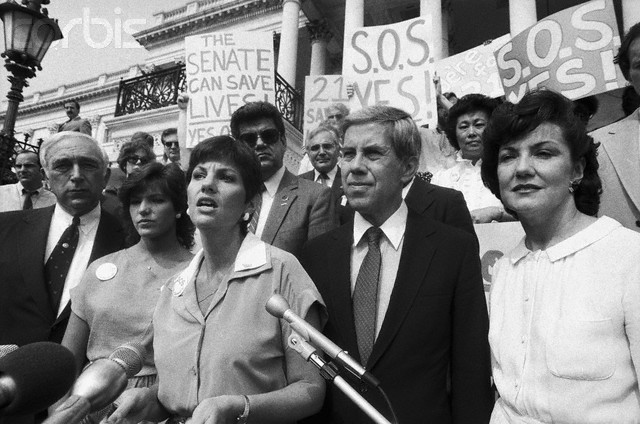
Back in the 1980s, it took a coalition of furious mothers to start the movement that eventually led to much stricter punishments for driving drunk, as well as greatly improved education for teens on the dangers of drunk driving.

Remember MADD, Mothers Against Drunk Driving?

Candy Lightner, founder of MADD

Those grieving mothers had lost their children to our nation’s lax drunk driving enforcement, coupled with a permissive, boys-will-be-boys culture, and they weren’t going to take their personal tragedies lying down.

Neither should we.

I want to see rallies in every state capital, demanding gun control legislation effective immediately!

I want to see Gabrielle Giffords at the head of a march on Washington, insisting that our nation’s leaders do more than put the flags at half-mast and shed some crocodile tears over the loss of innocent lives today.

Gabrielle Giffords


Gabrielle Giffords after being shot in the head

I want our society to show some backbone!

Not just on this issue, but on all the difficult issues that face us nationally and internationally today.

Enough sitting back and waiting for the next tragedy to strike.  Time to put down the remote, get off the couch, and get down to the business of making ourselves a better world.

Climate Change: What do we tell our children?

This has been a big week for change agents in the U.S.

First Annie Leonard came out with her new movie, The Story of Change.

Annie Leonard

Then David Brancaccio released his new movie, “ Fixing the Future,” with a two-day nationwide roll-out starting on July 18.

David Brancaccio

And today Bill McKibben made the cover of Rolling Stone, confirming him, at least in my eyes, as the true rock star of the environmental movement.

In the same week, radical economist Gar Alperovitz gave a historic keynote address to the Green Party National Convention, arguing that you can’t have a democratic society unless you democratize the ownership of wealth as well.

The big question is, will the best efforts of all these good folks make a difference in what is happening to our precious planet?

Or is it just so much more hot air, to add to an already too-hot summer?

This week I am teaching a class in media studies for middle schoolers.  While I’m amazed and delighted at the facility of the students with the technology of digital communications, I am also struck by the narrow focus of their concerns.

Three of the students have started blogs about fashion trends.  Another has started a blog about anime and manga characters.  Of the three others in the class, one is using her blog to do movie reviews, another is talking about hard science issues (the Higgs Boson discovery), and the third is writing about the stock market and the technological age we live in.

Absolutely nothing wrong with any of that.

Except that if we don’t solve the climate crisis, it will all be completely moot.

Runway fashions, movie stars, cartoons and stocks will all be swept away before the onslaught of food insecurity, economic instability and violently unpredictable storms.

No, this is not the stuff of Hollywood fantasy.  It is real, and as McKibben points out in the intro to his Rolling Stone article, it’s already happening.

As a teacher, what am I supposed to do?  If I remind my students (and my own children, for that matter) just how grave and portentous a time we are living through, aren’t I placing an enormous burden on them?  And isn’t it true that it is my generation, not theirs, that bears the brunt of the responsibility for where we are now?

And yet, if I say nothing and let them proceed as if fashion and anime were the most compelling topics of the moment, am I not being dishonest?

It really is quite a dilemma, for any parent and every teacher who is aware of what is really at stake in the times we live in.

I imagine it must have been similar for principled people in other times of crisis.  Do we try to shelter the children, keep their lives as normal as possible, for as long as we can?  Or do we let them know what is going on, and enlist them in the urgent struggle for positive change?

I don’t believe in lying to young people, and I have never been very good at lying, anyway.

The truth is that we are living through times unlike any faced by human beings before, in the 10,000 years of our history on the planet.

What we do in the next decade will make the difference between our continued existence on the planet, or the extinction or radical reduction of human civilizations on Earth.

I love Bill McKibben because so far, at least, he never gives up.

He’s got a true fighting spirit that refuses to take no for an answer.

Still, eventually even Bill may have to concede that the fossil fuel industry, with the politicians in their back pockets, is simply not going to give.

When that moment occurs, it will be game over for human beings on the planet, and so many other of our fellow Holocene travelers too—birds, fish, plants, and mammals.

But it’s not over til it’s over.    And I, at least, will never give up hope that people of all ages, from every corner of the world, will see the crucial urgency of this moment; that they will act upon their new awareness;  that the politicians will be compelled to listen; and that we will be able to turn this great climate change juggernaut around.

Floods, drought: the Earth needs us now

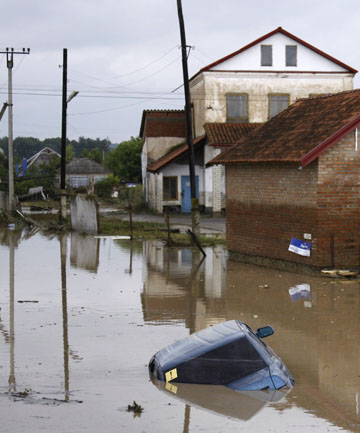
floods in southern Russia

I could hardly believe it when I read in the paper today that major floods in Russia have caused nearly 200 deaths this week.

Floods?

It is bone dry here in the hills of western Massachusetts.  It is so dry that if I did not water my vegetable garden every day, all my beautiful plants would be drying up in the merciless drought.

When I walk by the half-dry river in the afternoons, I am struck by all the yellow and brown leaves on the path—the forest has the golden cast of September now, the dry spell fast-forwarding us from mid-summer to fall.

The first veiled hints of trouble have made their way into the mainstream media, with crop losses due to drought expected to push up the prices of food in the U.S.

Barely a mention of shortages yet.  No rationing.  Just higher prices, which will make it harder for those of us on fixed incomes—not to mention all the unemployed—to afford to buy what we want to eat.

Clearly there is a shocking imbalance between the torrential rains in Europe and the parched drought here in the US.

Clearly it’s anthropogenic climate change rearing its scary hydra head.

I have heard tell of Native Americans calling on the rain gods to bring rain clouds to a dry landscape.

Our own techno-engineers talk about seeding the clouds to provide rain.

In both cases, it’s a matter of human beings applying our great brain power to find solutions to problems that threaten our existence.

Each of us has some gift to contribute to the common cause of survival—remembering that the survival of human beings is entirely intertwined with the survival of every other life form on the planet, from plankton to trees to bees.

Truly, this is no time to wait shyly on the sidelines to be invited, or to wait for others to take the lead.

As the saying goes, we are the ones we’ve been waiting for. If ever a time called for brilliant and dramatic solutions, that time is now.

Looking Forward with Orion Magazine

The spirit of Henry David Thoreau was in the air last week at a gathering at his old stomping grounds at the top of Mount Greylock, the tallest mountain in Massachusetts, hosted by Orion Magazine to celebrate the launch of its new anthology, The Thirty Year Plan.

Keynote speakers at the event were Orion contributing writers Ginger Strand, Elizabeth Kolbert and Bill McKibben, all of whom seemed to have a common concern on their minds as they looked into the future: climate change.

Thoreau’s legacy of using writing as a vehicle for civil disobedience is a mantle that all three writers have already assumed, particularly McKibben, who is very much following in Thoreau’s footsteps in going beyond simply writing about activism to actually standing at the forefront of a growing activist movement.

Characteristically, McKibben wasted no time in reminding his listeners that it’s high time for decisive action in the quest to transition our global economy off fossil fuels.

“It’s not enough to go around changing lightbulbs or even buying hybrid vehicles,” he said.  “Individual change won’t do it, the math doesn’t add up.  We have to change the price of carbon to reflect its true cost to our environment.

“We will never be able to match ExxonMobil and the other fossil fuel corporations in money, but we do have people power, and we have to use it.  A lot of you are going to have to come down to Washington DC and get arrested with me!” he said to applause.

McKibben also suggested using the shareholder pressure that was successfully applied against apartheid in South Africa back in the 1980s, but this time putting pressure on the fossil fuel industry to reinvent itself as a renewable energy industry based on wind, solar, hydropower and geothermal.
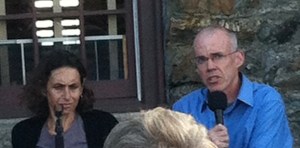
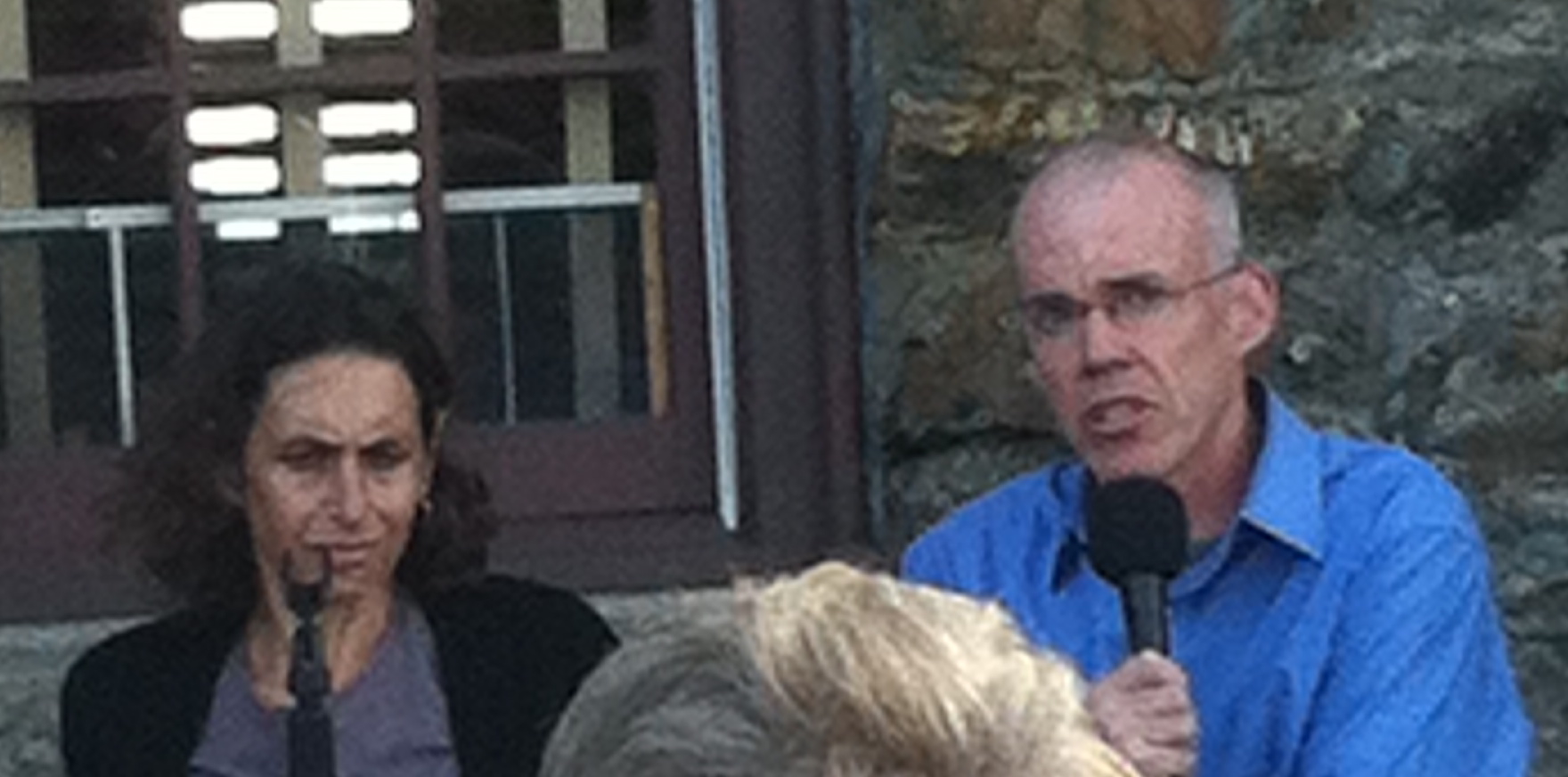
Elizabeth Kolbert and Bill McKibben speaking at Bascom Lodge, Mount Greylock, mA

The Beauty of Renewable Power

 From the top of Mount Greylock there is a striking view of eight huge spinning wind turbines on a ridge not far away, over by Jiminy Peak.  Wind power has become controversial in New England, with some towns and neighborhoods arguing vociferously against the location of wind turbines in their backyards.

In Massachusetts there has been great opposition to the proposal to build a windfarm out in Nantucket Sound, and here in the Berkshire hills we have also had many people of the NIMBY mindset.

When asked to comment on the prospect of wind turbines being set up on mountaintops in wilderness areas, Bill McKibben was unequivocal.

“I love the wilderness as much as anyone, and I’ve spent a lot of time out in the Adirondacks, as far away from it all as you can get.  But I’d have absolutely no problem with a wind turbine being set up overlooking my favorite patch of forest,” he said.

“The real threat to the places we love is fossil fuels, not wind towers,” McKibben said, adding that he has little sympathy for Americans who complain about wind towers being unattractive.

“Our sense of what’s beautiful is going to have to change,” he said.  Wind turbines located in Vermont or Massachusetts force people living in these exclusive areas to see the results of our impact on the climate, McKibben said, unlike our usual practice of making people in other parts of the planet—the Maldives, or Bangladesh, or the mountaintops of Virginia, for example—do all the suffering.

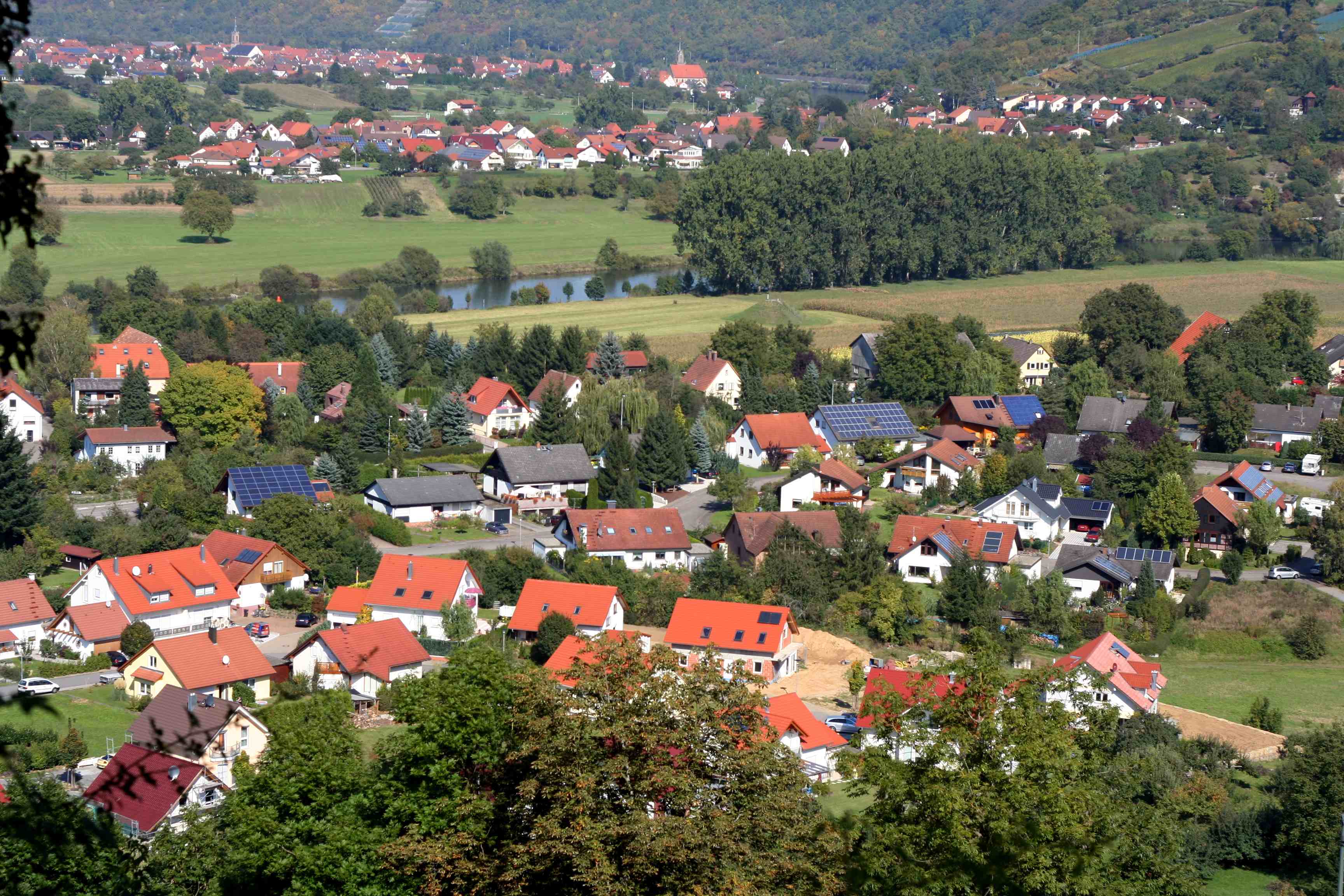
Emphasizing that the technology already exists to shift to renewable energy, McKibben pointed to the fact that Germany is already breaking records with its distributed solar energy model.

In May, German solar plants produced a record 22 gigawatts of electricity in two days, equal to the output of 20 nuclear power plants.

According to a recent Reuters article, “Germany has nearly as much installed solar power generation capacity as the rest of the world combined and gets about four percent of its overall annual electricity needs from the sun alone. It aims to cut its greenhouse gas emissions by 40 percent from 1990 levels by 2020.”

Solar panels sprout on roofs in Heidelberg, Germany

The Challenge of Getting People’s Attention

The contributors to the Orion Thirty Year Plan vision agree that the challenges we face in getting off fossil fuels are much more socio-political than they are technical.

One of the questions that remains intractable is how to get the public fully engaged with the issue of climate change, so that more people are willing to try Thoreau-style civil disobedience to force the politicians to do the right thing when it comes to regulating Big Oil—ending the subsidies on fossil fuels and giving incentives for the shift to renewable energy sources.

Elizabeth Kolbert said she was perplexed at the fact that she got a far greater response to a recent New Yorker article on child rearing than she generally gets on her much longer, more meticulously researched pieces on global heating.

“It’s something I think about a lot,” Kolbert said; “how to get people as interested in climate change as they are in raising their kids.”

Kolbert agreed with writers like Mark Hertsgaard, who suggested in his book Hot: Living Through the Next Fifty Years on Earth that it’s pathological to do the kind of intensive parenting Americans are known for while at the same time ignoring the biggest danger of all looming over our kids and grandkids: anthropogenic global warming.
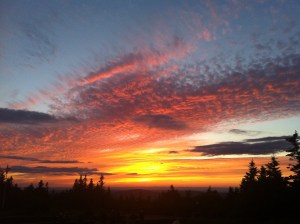
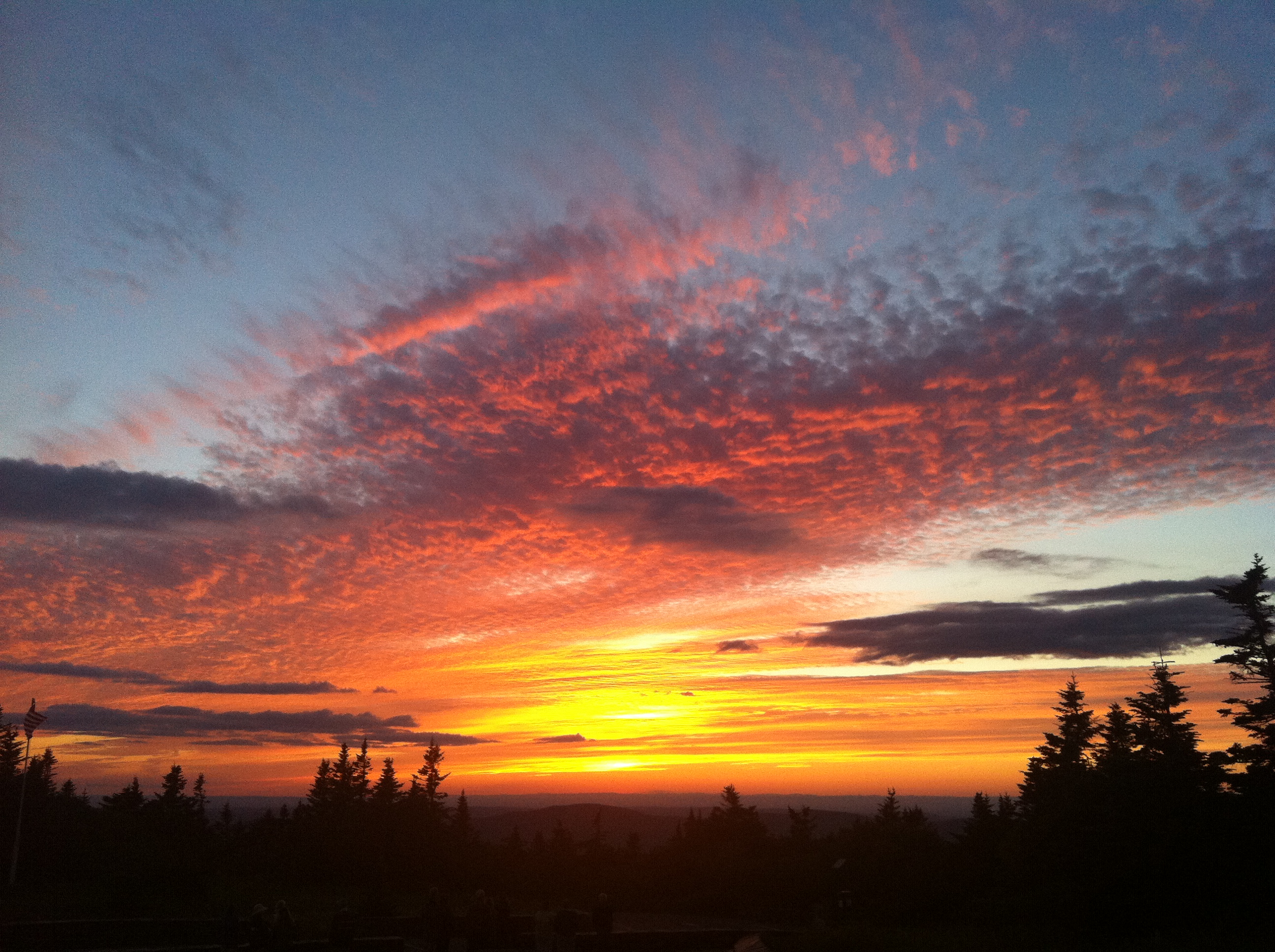
Sunset from Mount Greylock

As the sun began its spectacular descent towards the west side of the Greylock summit, and the assembled group went in to dinner and animated discussion at Bascom Lodge, it seemed to me that our charge was clear: to join leaders like Kolbert and McKibben in becoming change agents in our own spheres and out in the public eye.  We need to build a movement with a broad enough base of committed supporters to seriously challenge the entrenched power of the fossil fuel industry, as well as the massive inertia of the American public, which still has a tendency to imagine that life as we knew it growing up can go on for the next thirty years virtually unchanged.

Life will go on, with or without us humans.  But the story of our species does not have to end in disaster.  There is still time to write a new ending to our 10,000-year adventure on this planet, if we get up the courage and the dedication to get moving now.

What Good is a Higgs Boson When the Planet is Burning?

Call me sour, but I really can’t find much to get excited about by the news that physicists have moved one step closer to figuring out how the universe began.

Yes, the Higgs Boson is an amazing phenomenon.  “Without it,” writes Dennis Overbye in The New York Times, “all the elementary forms of matter would zoom around at the speed of light, flowing through our hands like moonlight. There would be neither atoms nor life.”

Yes, it’s an amazing feat, to which hundreds of scientists have dedicated their lives, to have actually nailed the elusive Higgs Boson in the giant particle accelerator built for that purpose.

But while the champagne corks are popping at the physicists’ convention in Melbourne Australia today, all the myriad problems confronting us physical beings still fester unchecked.

What good will it do us to understand how matter formed back at the beginning of the universe while we are succumbing to drought, wildfires, violent storms and floods?

What good will that marvelous particle accelerator do us when the climate is so disrupted that we can no longer rely on a steady stream of electricity, or a steady food supply to keep us going?

We really need all those super-smart people to pull their heads out of the air and start focusing much closer to our own time and place.

We need more scientists like Lonnie Thompson, who has spent the past forty years traveling to remote glaciers and mountain peaks all over the world to collect ice core samples that give us insight into climate change in the much more recent past—the last 10,000 years or so.

“Dr. Thompson,” writes Justin Gillis in The New York Times, “became one of the first scientists to witness and record a broad global melting of land ice. And his ice cores proved that this sudden, coordinated melting had no parallel, at least not in the last several thousand years.

“To some climate scientists, the Thompson ice core record became the most convincing piece of evidence that the rapid planetary warming now going on was a result of a rise in greenhouse gases caused by human activity.”

Do we really need any more convincing?

The latest storms to hit the U.S. struck the wealthy suburbs of Washington D.C., and surprise surprise, those Beltway folks were just as susceptible to power loss as the rest of us out in the hinterlands.  Forced to cope with triple-digit heat with no air conditioners, their sweat smells no sweeter than ours.

Likewise, the wildfires out West are burning up the homes of the wealthy as fast as they’re burning the millions of acres of dead trees decimated by the surge in the pine bark beetle population, another gift of warmer weather.

Wealth is not going to protect us from climate change.

Abstract particle physics is not going to mean a damn once the extreme weather really sets in, just a few short years from now at our current pace of greenhouse gas emissions.

We have the technology now to engineer a rapid shift to renewable energy sources that will immediately curb the pace of global heating to keep our planet livable.

If the greatest minds of our time trained their attention on this fundamental issue, I have absolutely no doubt that we could solve it.

And if the rest of us not only went along with the technological changes, but actively pressured our political representatives to enact policies that would force big business to do the same, worldwide, we could make sure that the new technology was broadly implemented, quickly.

Hell, it will be good for business! We are potentially at the start of a whole new age, where demand for brand new products like solar panels and geothermal pumps could keep factories running for decades.

We don’t need any more oil rigs or gas wells.  That way lies suicide, on a species-wide scale.

We cannot afford to waste any more time, or to allow ourselves to be distracted by anything less important than the urgent question of survival—our own, and that of all the beautiful life forms on this planet we love.

Let them eat crude!

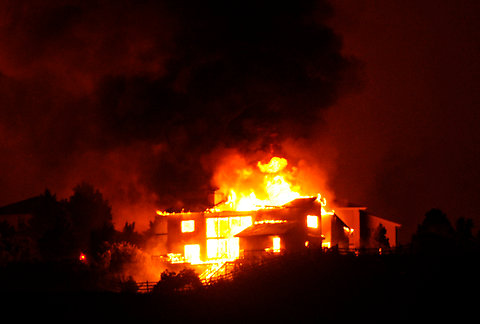
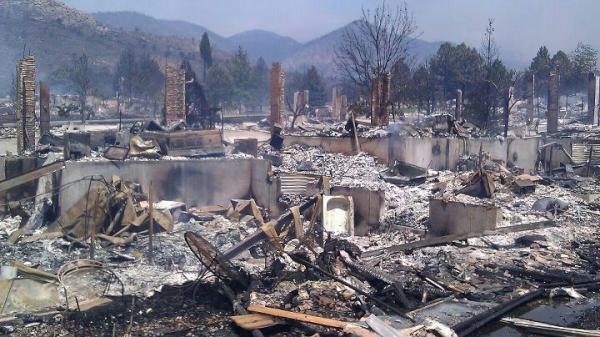
The wildfires burning through densely populated neighborhoods in Colorado this week are on my mind.

Fire burning in Colorado Springs June 26, 2012

I clicked a link about “how to help,” and found the familiar call for financial contributions to aid the dispossessed, as well as the firefighters.

No mention of the underlying cause of these fires—drought brought on by climate disruption.

No mention of how the real way to help would be to insist that our country start converting to renewable energy, immediately, to slow the relentless buildup of greenhouse gases and show international leadership that could be emulated by other nations.

Just send donations, so we can get back to business as usual ASAP.


***

Yesterday I was thinking about going cherry-picking at the local farm where I’ve been picking cherries every summer since I was a little girl.

Going on the website to check the orchard hours, I was aghast to discover that the entire crop had been ruined by a hailstorm last Friday—part of the cold front that broke the excessive heat we were sweltering under last week.

This week it’s been delightfully chilly here in Massachusetts. I love the cool weather, but my tomato plants sure don’t.

***

Is it so far-fetched to imagine a time when it’s impossible to rely on the steady, rhythmic progression of the seasons to bring us just the right sun and rain to grow our crops?

What will we do when the food shortages begin?

Let them eat crude!  ExxonMobil, Shell, BP and the rest will cry, as the climate guillotine puts our entire human civilization on the block.

We’ll be frackin’ whacked then, won’t we.

Scheherezades of the 21st Century

I have been following the progress of the Rio+20 UN Conference on Sustainable Development from a distance, feeling jaded about the process and the possibility of positive outcomes resulting from this gathering of diplomats and social engineers.  It’s good to see the lively and vibrant displays of people passion outside the gates of the conference, but the real question is, when will those gates come down?

Gar Alperovitz

At the Strategies for a New Economy conference earlier this month, veteran progressive economist Gar Alperovitz pointed to our time as the moment when enough people wake up and notice that something is wrong.

“This is a critical moment in history,” he said; “the moment when people realize something is gravely wrong and are willing to think outside the box to find solutions.”

Alperovitz suggested that we are currently in “the prehistory of a major shift,” and that now is the time for those of us who are aware of what’s happening to “lay the foundations for new institutions and new systems” that are tailored to meet the coming challenges.

Who would have thought, a decade ago, that the cell phone would take Africa by storm, Alperovitz reminded us.  In the same way, it could be that distributed solar-generated power—each home and business hosting its own power generator on the roof–will become the standard in the decade to come, particularly if the real costs of fossil fuels are brought home to industries and consumers.

Yesterday in the course of a desultory lunchtime conversation about changing weather patterns, one of the people around the table, a bigtime financial executive, mentioned that he’d heard the Arctic ice was melting at an unprecedented rate.

I took his comment to be about the negative impact of climate change on the environment, and began talking about the methane bubbles that have been rising up out of the deepwater beneath the ice pack, suddenly and disastrously finding access to the open air.

But no—his point was quite different. To him, what was interesting about the melting of the ice was that it put previously inaccessible oil beds suddenly within range of development.

Groan.

What difference will all the UN treaties in the world make to the health of our planet if the power brokers sitting in their comfortable climate-controlled glass towers in New York don’t understand the urgency of moving away from fossil fuels?  My financier friend was actually planning to fly down to Rio this week on business, but it was news to him that the Rio+20 conference was going on at all.

Gar Alperovitz described our current economic system as “stalemated, stagnating and in decay—neither reforming nor collapsing,” and this sounds like an accurate description to me of our tightly intertwined political, financial and industrial sectors.

All of us ordinary people are held like flies in the sticky web of corporate capitalism, which is squeezing us ever more tightly in the bonds of rising prices, scarce jobs and inescapable debt.

Where will it end?  Alperovitz called on the conference attendees to become the historical change agents within our communities—to go home and seize every opportunity to develop the frameworks for the transition to a different kind of future.

To me, as a writer and teacher of literature, it was interesting to hear him calling in particular for an emphasis on new kinds of narrative.  In order to imagine new solutions to what seem like insurmountable problems, he said, “we need to tell new stories.”

Maybe 350.org’s Twitterstorm yesterday, in which hundreds of thousands of people from all over the world besieged Twitter with messages in support of ending the fossil fuel subsidies, is the start of a new story—a global story, authored collectively by kindred spirits worldwide.

It remains to be seen whether we will be able to figure out a way to preserve and extend our current technological sophistication while moving into a sustainable, harmonious relation with our planetary home.  Many who are currently trying to read the future predict a violent collapse of our human civilization, with a dramatic loss of human population and a return to a much simpler, low-tech kind of life for those who survive.

The only way the latter scenario will be avoided is if the technocrats and the bureaucrats and the financiers start listening to the ordinary people outside the gates, and understanding the full implications of their dependence on a capitalist economic system of endless growth fueled by destructive fossil fuels and the despoiling of the environment.

So yes, let’s start telling those new stories by every means possible—by Twitter, by blog, by radio, TV and film—around the lunch table and across the backyard fence.

Tell new stories as though your life depended on it. As in fact, it does.