
 Riots in Rome, a huge protest in Times Square, New York, and rolling protests from New Zealand to London to L.A. Things haven’t been this globally lively since the 2003 protests against the imminent U.S. invasion of Iraq. Where is it all leading?
None of us know. But the police are getting out their riot gear, and it is very possible that there are going to be more violent clashes, as there were in Rome today.
As the protests gain momentum, it’s important to keep our eye on just what all the anger is about.
 Business Insider, of all sites, published a very interesting set of charts and commentary last week promising to explain just what all the fuss was about down in Liberty Plaza. Check it out, you won’t be disappointed.
Here are a few of the most damning charts:
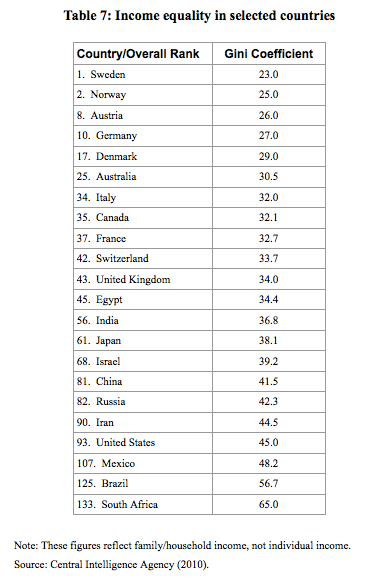 The U.S. ranks below China, Iran and India in terms of income INEQUALITY.
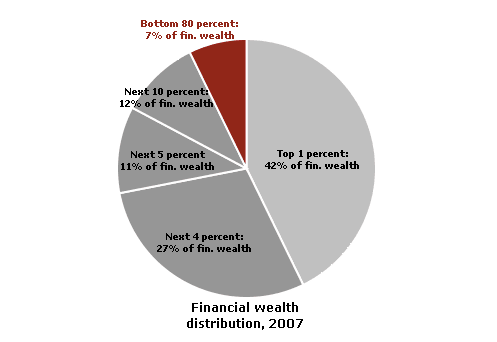 Five percent of Americans own 69% of financial wealth. The top 1% own 42% of this country’s financial wealth.
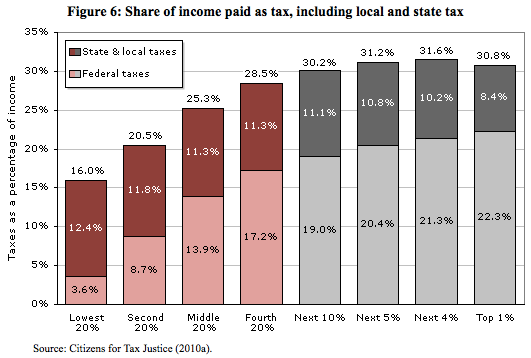 And the tax rate of these fabulously wealthy people is about the same as everyone else’s. That’s why they continue to get richer and richer, and everyone else slides inexorably downward.
 While CEO pay is up nearly 300% since 1990, average workers’ pay is up 4%. I don’t know about you, but the modest increases in my salary over the past decade have been totally absorbed by higher expenses, from food to gas to health insurance premiums and everything else.
So hell yes, there is something to be angry about! There is a lot to protest! There is a lot of work to be done to turn this country and this world around. The question is, how far will we go to rock the comfortable cruise ship of the one percenters? And how far will they go to keep the status quo the way it is?

Police forces have always done the bidding of the wealthy in capitalist societies; is there any chance this could change? The police are workers just like the protesters; is there any chance they will break their indoctrination and side with their own class interest?

Seems unlikely, but let’s not underestimate the forces of change. Who would have believed, even six weeks ago, that people would be turning out in the thousands across the world to protest corporate greed and social inequality?
 Look at this crowd. It’s pretty clean cut, isn’t it? This doesn’t look like a case for the riot police. By and large, these people don’t want revolution. They just want to be able to live decent lives in a country they can be proud of.
Is this too much to ask?
No. But, and this is a BIG BUT: what we’ve come to consider “a decent life” is going to have to change in the 21st century, given peak oil, the impending collapse of industrial agriculture, and the climate crisis.
So much will depend on our being smart enough to put these pieces together with the economic injustice we perceive so clearly, and see our way clear to a new, sustainably grounded society.
This is not too much to ask either. But it will be a challenge to move from the fist-in-the-air stage to the creative visioning, and most of all to the implementation of a more just and sustainable economic system.
We have no choice but to meet this challenge. Our global future as a species depends on it. This is the central task of our time.


 Transition Times