With Starhawk: Dreaming the Dark and the Light

The night I returned home from an intense weekend workshop at Rowe with Starhawk, I had a disturbing dream.

A little girl, dressed in a pink jumper, was crying that she was lost, she had to find her father. So I took her by the hand and we started looking for her father in an urban landscape—first on the street, then in an apartment hallway with many doors. I said to her, do you remember what the floor of your home looked like? Was it wooden? Black and white tile? We stopped at several doors but they weren’t the right one. Then we came to the one with the blue-green patterned tiles, and her father was in the doorway.

As soon as I saw him I was afraid…he seemed like a devil, a mean, cruel man, although he smiled (leered, more like) as he came forward in the doorway to receive her. And she went to him, whimpering. There were people gathered in the apartment behind him, all dressed creepily in black, watching something on a screen in a darkened room. He thanked me for bringing her back, and I turned away, with a sick feeling, thinking she was going to be hurt or punished for “running away.”

As I turned away I heard her whimpering turn to full-out crying, a terrible keening sound, and I felt paralyzed—what should I do? Should I call Child Protective Services? Clearly this little child needed my help, but I was afraid that if I called the police or other authorities, the “father” would know who called and would come after me.

So I did what any dreamer does when paralyzed by fear—I woke up.

I haven’t been able to stop thinking about this dream, especially as it seems to be a kind of psychological bridge between Starhawk’s remarkable rituals honoring Mother Earth, and my own upcoming writing workshop on “purposeful memoir,” which uses the elements as a way to frame and explore parts of one’s life journey.

I feel sure that I was both the small child in the dream, and the adult who was trying to help her find her way “home.” The problem was that “home” was a dangerous, confusing, love-and-hate kind of place, ruled over by a “father” who was punitive, frightening and loving in a controlling kind of way. The adults sitting in the dark background passively watching the screen are human society writ large, especially our Western, technology-obsessed society. The little child with her bright pink outfit and fearful, wanting-to-trust eyes, stood out here as a wholly other kind of being, but one which would, in the pinching hands of her “father,” be formed and molded into just another one of these pale, eerie, zombified adults.

We talked a lot last weekend about how frightening it is that we Westernized humans have become so very disconnected from the natural world. As Starhawk gathered us in circles to ritually salute the four elements and the four directions (Earth/North, Fire/South, Water/West, Air/East), as well as the Center/Spirit, it seemed like a dream of an older way of being that I dimly remembered, from a time before I had taken my seat among all the other adults sitting before screens in darkened rooms.
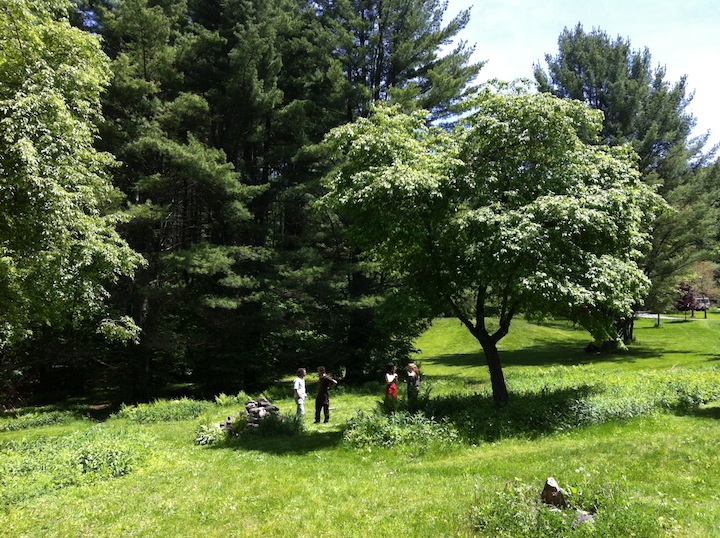
After the last circle

After the last circle

We listened to the birds singing and the wind blowing through the new spring leaves; marveled at how the veins of the leaves mirrored the veins in our own bodies and the bigger veins of river waters on the body of the Earth; and let our combined voices, chanting around a sparking fire in praise of the elemental unity of all Life, blur together into a wordless ringing sound that cast our intention to be of service to Mother Earth high up into the starry sky.

Following Starhawk along a labyrinth made of stones lined with vivid purple violets, I thought about my desire to help others explore their own lives in elemental terms, looking back at where we’ve come from in order to see more clearly who we are and who we wish to become. In writing my own memoir, the elemental structure emerged organically from the trajectory of my life: Earth the childhood ground of my being; Water the stream of culture I’d been sucked into as an adolescent and young adult; Fire the years of adulthood, being tested on many fronts; and Air running through it all as reflections from my current perch, back on the Earth of middle age, trying to recover my grounding in order to move more intentionally into the next stage of my life.
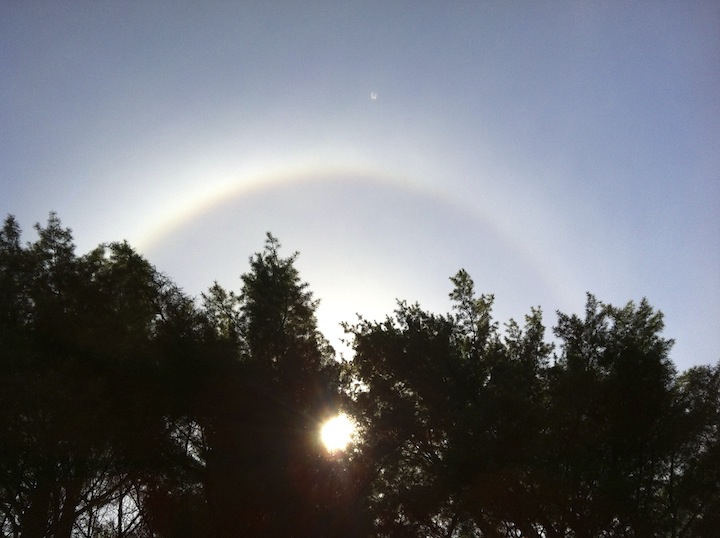
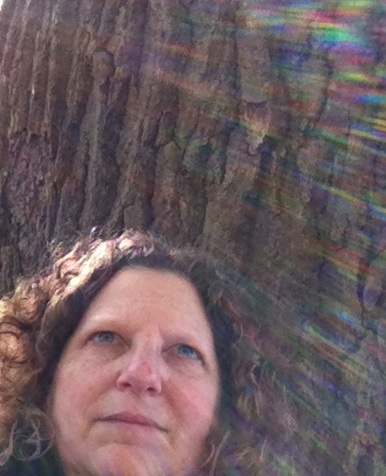
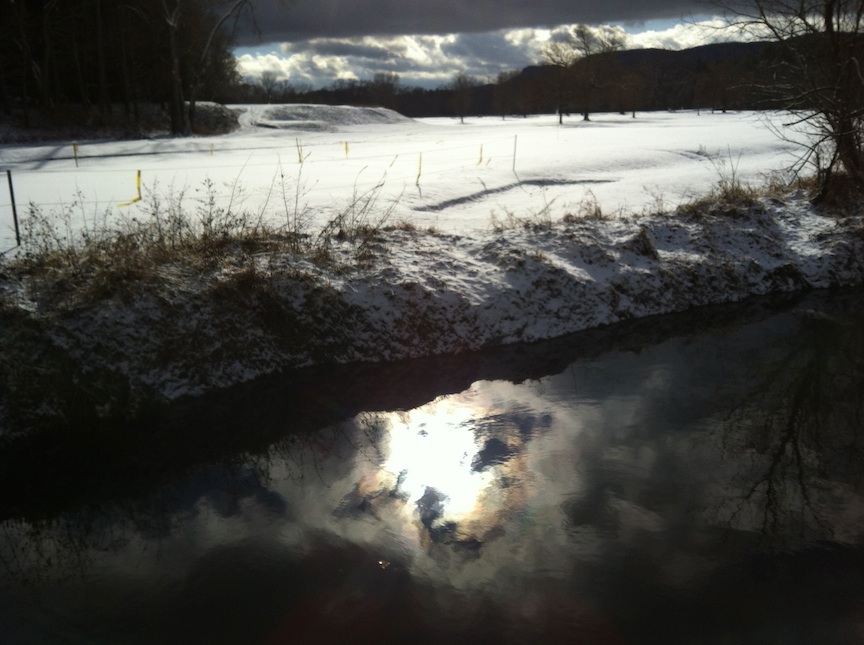
A rainbow halo around the sun, right over our circle

A rainbow halo around the sun, right over our circle

My dream, in which I was both the crying little girl who felt compelled to find her way back “home” and the concerned adult who could see just how damaging and hostile that “home” was, seems to represent my awareness these past few years of how destructive our American “home culture” is to the sweet, sensitive Earth-centered children who are born into this harsh, techno-dominated world and cleave to it with innocent fidelity.

We are instinctively loyal to our families and our birth cultures, even when on some level we are aware that they are not always healthy for us. And the adult “me” in my dream, anguished about handing over the child to this destructive “father” figure, was like any bystander in a negative scenario, desperately choosing to remain silent out of fear of retribution, fear of bringing the hostility down on myself.

In my memoir workshop next week, I want to guide others to explore how thinking about our lives in elemental terms can help us make sense of our past, and give us a firm footing from which to overcome our conditioning and our fears and take the full measure of our life’s purpose.

Three generations

Three generations

We all came into this life wide-eyed and open-hearted, looking for love and warmth. It’s fascinating to explore what happens as we are received by our families and our home cultures, and swept along into the fast-moving currents of life, heading towards the fires of adulthood.

But what really matters is what comes next. What will we do with our one precious life, as Mary Oliver put it so poignantly? Can we step back from our loyalties and conditioning and figure out what it is we care about enough to stand up for and give our lives to?

Starhawk on the path

Starhawk on the path

Starhawk has moved in the past decade or so from a focus on a largely metaphorical, feminine-inflected Earth-based spirituality to a much more grounded practice in permaculture, “a multi-disciplinary art form, drawing from the physical sciences, architecture, nutrition, the healing arts, traditional ecological knowledge, and spirituality. The ethical underpinnings that guide permaculture are simple yet powerful: take care of earth, take care of the people, and share the surplus.”

In her Earth Activist Trainings, she seeks to help us reimagine a new kind of culture, one in which nature and human society are seamlessly intertwined. “EAT is practical earth healing with a magical base of ritual and nature awareness, teaching you to integrate mind and heart, with lots of hands-on practice and plenty of time to laugh,” she says on her website.

We need to create a new kind of culture that will comfort and nourish both the caring adult and the crying child in my dream. Our culture has to be supported by a sustainable relationship to our Mother Earth, a relationship in which we give back as much as we take, in an endlessly regenerative circle of life.

mossy rockAs I look ahead purposefully in my life, I hope that the adult I want to become would not leave the innocent child I was in the treacherous hands of a culture that has forgotten how to love. If I could replay that dream, I would guide that small, pink-clad child away from her malevolent “father” and his techno-obsessed tribe. I would take her away from that urban landscape, out into the warm green gloom of the forest, where we would sit together on a mossy rock and listen to the wind in the leaves and the birds in the sky. Together we would look up to see Starhawk approaching along the path, roots sprouting from her feet and branches from the top of her head.

We would sing together, in the words of poet Kristin Knowles, with whom I shared the Starhawk weekend:

Our mother,

in art and nature,

passionate burns thy flame.

Thy strength is one

with moon and sun

on Earth as up in the heavens.

Teach us the way to lightly tread

And relieve us our distress as

we receive those who would prefer our silence.

And lead us not into frustration

but deliver us from ill will.

For thine is the freedom, power and glory,

her story,

now and forever.

Blessed be.
21st Century Leadership: On Overcoming Fear and Negativity to Work for a Livable Future

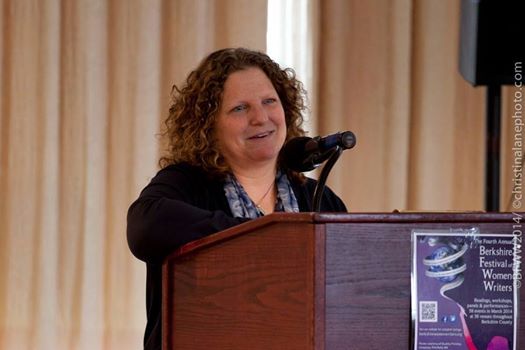
This week, coming off the exhilarating high of the 2014 Berkshire Festival of Women Writers, I started teaching a brand-new class at Bard College at Simon’s Rock, “Leadership and Public Speaking for Social and Environmental Justice.”

We spent the first day just working with the concept of Leadership—thinking about great leaders and what qualities they possessed that helped them achieve their goals and bring so many others along with them.

And then we thought about what might hold us back from stepping into our own potential as leaders.

The number one obstacle to becoming a great leader, at least from the perspective of the dozen or so students in the room that day, is FEAR.

They quickly generated a long list of very specific paralyzing fears, and as each fear was voiced, the nodding and comments in the room made it clear that it was widely shared.

I certainly recognized many of my own fears on their list, which I will append at the bottom of this post, along with our list of the qualities necessary for great leadership.

A big part of my motivation for offering this class is simply to help students face and learn to work with their fears and insecurities, rather than doing what I did at their age, which was to allow my fears to push me back onto the sidelines, an observer rather than someone who felt empowered to be out in front leading others.

It’s been a long journey for me to learn that, as Frances Moore Lappé and Jeffrey Perkins put it in their excellent little book You Have the Power: Choosing Courage in a Culture of Fear, “Fear is pure energy. It’s a signal. It might mean stop. It could mean go.”

Frances Moore Lappe

Frances Moore Lappe

I remember when I invited Frances Moore Lappé to speak at Simon’s Rock a few years ago, she began her talk acknowledging that being up alone on the stage, in the spotlight, made her nervous. But, she said, she has learned to recognize that fluttery, jittery feeling as a sign that she is doing something important, something that matters—and to let the nerves (what some might call the adrenaline rush) work for her rather than against her.

As someone who for many years was overcome with stage fright every time I had to speak in front of an audience, I knew exactly what she was talking about.

JBH 2014 Photo by Christina Rahr Lane

JBH 2014
Photo by Christina Rahr Lane

It wasn’t until I was nearly 50 that the multitudinous fears I had been carrying around with me all those years began to melt away, and I can’t say I know for sure what did it, other than forcing myself, over and over again, to get up there in front of audiences and DO IT ANYWAY, because I knew that a) the work I was being called to do was important, and not just for myself; b) if I didn’t speak about the issues I wanted to focus on in that particular time and place, no one else would; and c) there was absolutely no good rational reason for me to be afraid of speaking to the audiences I was addressing.

Clearly, one necessary ingredient of leadership is a willingness to walk with the fears, risking encounters with whatever devils those fears represent.

We’re out of time: climate change demands extraordinary leadership, now

If I am propelled now into doing all I can to catalyze leadership in my community, whether in the classroom or through the Berkshire Festival of Women Writers, it is because I know that we no longer have the luxury of time to stand silently on the sidelines observing, as I did for a good part of my life.

There is simply too much at stake now, and things are happening too fast.

There are some signs that the American political and intellectual establishment is finally shaking off its lethargy and beginning to at least recognize that yes, Houston, we’ve got a problem.

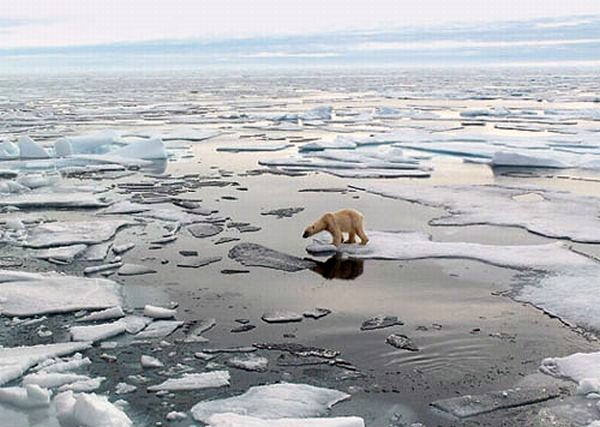
The most recent United Nations Intergovernmental Panel on Climate Change (IPCC) report pulled no punches in documenting and describing just how dire our immediate global future looks, thanks to human-induced climate change. And for a change, this “old news” was immediately carried on the front page of The New York Times, which has been ignoring and downplaying the climate change issue for years—and strongly echoed by its editorial page as well.

melting-polar-ice-caps

Yes, it’s true—climate change is real, it’s already happening, and there is no telling where it will lead us. If governments immediately start to act with furious speed and concentration, there is a chance we could backpedal our way into a precarious new normal, keeping our climate about as it is now.

If this kind of leadership is not shown, then all bets are off for the future—and we’re not talking about a hundred years from now, we’re talking about the future we and our children and grandchildren will be living through in the coming decades.

In short, we are living through extraordinary times, times that demand extraordinary leadership. And not just from politicians and heads of state, but from each and every one of us.

As global citizens with a stake in our future, each one of us is now being called to turn off the TV, get up off the couch, step out of the shadows, and SHOW UP to do whatever we can do, to offer our skills and talents to the greater good.

For some that will mean showing up at the 350.org climate change rally in Washington DC this month, demanding that our Congress and President represent the interests of we the people, not just the fossil fuel industry.

Teachers like me can start to offer students the tools and skills they will need to become the 21st century leaders humanity needs—leaders who see the big picture, respond empathetically to the plight not just of humans but of all living beings on the planet, and have the resolve, drive and courage to stand up and lead the way towards implementing the solutions that already exist, and innovating the solutions that have not yet been imagined.

Our media likes to bombard us daily with all the bad news on the planet: wars and random violence, natural disasters, corruption and greed, unemployment and health crises, environmental degradation…the list goes on and on. The cumulative effect of this constant negative litany is a feeling of hopelessness, despair, powerlessness and paralysis—the antithesis of what is needed for energetic, forward-looking, positive leadership.

Simply becoming aware of the extent to which your daily absorption of bad news depresses your spirit is a step on the road to switching the channel, metaphorically speaking, and beginning to focus on what can be done to make things better.

This is not pie-in-the-sky rainbow thinking, this is about doing what is necessary to ensure a livable future. One of the most important qualities of good leaders, my students and I agreed, is positive thinking and a can-do spirit.

If there was ever a time these qualities were needed, it is now—and in each and every one of us.


NOTES FROM Leaderhip & Public Speaking class, Day One

Great leaders are:

Charismatic / magnetic

Trustworthy

Change agents

Have something to say that resonates with others

Have a unique/original/relatable idea

Tenacious

Resilient

Creative

Empathetic/loving/caring

Passionate

Fearlessness/being able to embrace your fears

Engaging

Good organizers of people

Able to motivate & energize people

Good collaborators

Good at building teams; good team captains

Good at delegating

Synergizers

Convincing & persuasive

Unswayed by negative feedback & challenges

Self-confident

Able to overcome adversity

Able to share vulnerabilities

Focused/single-minded

Evangelical

Able to attract other strong people

Able to withstand criticism; thick-skinned

Good models: “be the change you want to see”

Articulate

Able to communicate with different groups of people & in different forms of media

Chameleons–able to get along with different kinds of people

Diligent/hardworking

Initiative-takers

Visionary innovators

Able to be humble and stay strategically under the radar

Good at self-promotion

Have good decision-making skills; decisiveness

Understanding of sacrifice/self-sacrifice

Generous

Assertive; firm but not attacking—“real power doesn’t need to attack”

Clear on what they want; clear goals

Intuitive

Considerate

Have common sense

Have a strong moral compass

Have a sense of justice

Want to be of service to the greater good

Want to build merit

Cautious when necessary/ not impulsive

Thoughtful

Resistant to corruption


JBH rainbow treeWhat holds us back from becoming leaders?

Fear

Fear of responsibility

Fear of judgment

Fear of failure

Shyness

Fear of being seen/heard

Fear of not being seen/heard

Fear of letting people down

Fear of being replaceable

Fear of fulfilling certain negative stereotypes (“Ban Bossy”)

Fear of being perceived as manly (if you’re a woman)

Fear of not being “man enough” (if you’re a man)

Fear of not being feminine enough

Fear of not being a good role model

Fear of having the minority opinion (saying something unpopular, not being able to

convince people)

Fear of being part of a marginalized group & expecting not to be heard/respected

Fear of leaving someone behind / a voice behind / not hearing other issues (ranking & hierarchy)

Fear of neglecting other issues

Fear of not being taken seriously

Fear of being too passionate

Fear of creating conflict

Fear of wading into controversy

Fear of taking a stand

Fear of changing your opinion/selling out for success

Fear of losing your authenticity

Fear of being politically incorrect

Fear of being perceived incompetent

Fear of not having what it takes

Fear of not being ready / not knowing what your “issue” is

Fear of being seen


Negative Qualities that may hold us back

Closemindedness

Righteousness

Malleability

Empathy—taking things too personally

Numbness/alienation

Staying under the radar

Aggression

Defensiveness

Being gullible, believing what you hear, not being discerning


What Systemic/Structural Circumstances Hold Us Back?

Acting to save others instead of trying to achieve your own goals/authentic mission

Youth

Education

Social upbringing

Poverty

Not having access to audience—tools to connect

Race/class/gender/sexuality/etc—social categories

Location (geographic)

Language

Filial piety—not wanting to go against expectations & will of family & society

Influence of media on self-esteem


A New Year’s Vision for 2014

IMG_4297 copyAs the year wheels slowly to a close, I am distracted and repelled by the frantic pleading coming into my email inbox…it seems that every nonprofit and political organization I have ever expressed the least interest in is desperately vying for a few pennies from my ever-shrinking purse.

I too have been fundraising these last few months, trying to raise enough money to sustain the Berkshire Festival of Women Writers, which I founded on a shoe-string and a dream three years ago.  The more successful it becomes, the more time it takes to organize, and the more money is required to keep the wheels turning.

I certainly understand the need to seek funds to support these worthy endeavors, and yet I find myself wishing there was some other way.

Wouldn’t it be a better use of my time, talents and energy to focus on creating the vibrant programs the Festival is known for, rather than constantly having to cast about for financial support?

And what is true for me must be true for the organizers of all these causes that are flooding my inbox with urgent last-minute appeals for funding.

This New Year’s Eve, let me pause to envision a social landscape in which people are encouraged to do what they’re best at doing—whether it’s planting a tree or building a house or writing a poem—without having to worry about whether or not they will be paid in cash for their labor.

What if good ideas could just grow vigorously like weeds in the warm, pungent, nurturing earth of collective human society?

What if instead of all fighting amongst each other to be heard and rewarded for our cleverness, sex appeal and charm, we worked graciously together to create the vast interlocking human machine of collective creative endeavor, each of us contributing the pieces we do best and knowing we’ll be fairly rewarded for work done well?

What if instead of working for dollars and cents, we worked for goods and services that we needed, on a barter system to which everyone could contribute and rely on?

I know this is a pie-in-the-sky fantasy, but on this night, when the Earth wheels around the Sun into a brand new calendar year, I want to allow myself to dream big—to imagine that the impossible could come true.

What a beautiful world it would be.

Happy New Year everyone!

Keeping Mandela’s Dream Alive–Not Just for South Africa, but for the Planet!

Nelson Mandela

Nelson Mandela

Nelson Mandela was imprisoned for 27 years as a terrorist.

And then he was released and became one of the greatest freedom fighters the world has ever known.

For me, the lesson is clear.

We cannot rely on others for a moral compass.

I am thinking of Chelsea Manning, Edward Snowden, Julian Assange, Tim DeChristopher and Lord knows how many others who have been exiled or imprisoned for “treason” in the United States.

I believe they will be exonerated in the long run, just as Mandela was, and shown to be on the side of justice.

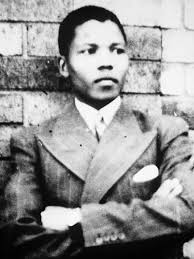
Nelson Mandela as a young man

Nelson Mandela as a young man

We shake our heads incredulously when we hear that Nelson Mandela was in jail and at hard labor for 27 years.

Twenty-seven years!  He was imprisoned just a few months before I was born, and released a few months before I married.

He came out to have a whole new life, like a butterfly breaking out of an unwanted cocoon.

The news media seems to be playing up the aspect of Nelson Mandela’s story that deals with forgiveness.

He forgave his captors.  He was not vindictive.  He believed in reconciliation.

Yes.

But I do not forgive them.  And the part of Mandela’s story I would like to focus on is his incredible perseverance in achieving his lifework of overcoming the evil of apartheid in South Africa.

Unknown

It takes great self-awareness and rock-solid confidence to maintain one’s moral compass in the face of a whole state and social apparatus set up to prove one wrong.

For example, climate activists today, like the Greenpeace 30–locked up in Russia for daring to challenge Russian drilling rights in the Arctic–need to be incredibly resolute in their insistence that we must do what we can to stop the runaway warming of the planet.

Today we have many ways of expressing our solidarity—ways that were not available to sympathizers of Mandela back in the 1960s, ‘70s and ‘80s.  We need to use these communication channels to send a solid wave of support back to those who dare to challenge today’s rulers—the fossil fuel industry, the National Security Agency, and the like.

Mandela fought the good fight and he won.  Today, our fight is not for justice in one country, but for the very survival of the human race—and so many other species—on this planet.

We owe it to the memory of Nelson Mandela to stand firm and refuse to be bullied or intimidated.  We who are fighting for a sustainable planetary future are on the side of justice and will be vindicated as such, just like Mandela, if we are not all washed away first.

Nelson Mandela was great because he never gave up.  He remained true to his own moral compass and he lived his ideals.

We must do the same today, and then some, to keep Mandela’s flame alive and burning brightly for a new day on this sad beleaguered planet of ours.

Rotten Tomatoes for Republicans

All right, I admit defeat. I can’t tune out those crazy Republican Congressmen who actually believe that they are acting righteously in preferring to shut down the U.S. Government rather than guarantee all Americans the right to affordable health care.

I need to let off a little steam, so bear with me.

First of all, WHO ELECTED THOSE CREEPS????

It is beyond depressing that we have such an apathetic, distracted, numbed electorate, of whom barely 50% generally even bother to show up to the polls.

Of the half who do show up, obviously they are the easily manipulated types, because these Tea Partiers have managed to convince them to vote against their own interests time and time again.

It’s no secret that the Tea Partiers have been most successful in the so-called Red States, where the egregious gap between rich and poor (ie, the gap between the 1% of extreme wealth and the 99% of everyone else, way down at the bottom of the mountain) is huge.

Why would people vote against their own best prospect of getting affordable health care?

Why would people vote against the political party that, while far from perfect, has at least shown a measure of human decency and responsibility in its approach to governing?

images-2It’s only fathomable if you remember how, in Tea Party country, education and the media are entirely controlled by these same craven elites, who will stop at nothing to seize power and control of the country.

In these parts of the country, people live in ideological bunkers, where party-controlled propaganda is the only message they get.  Red China anyone?  1984?

With the advent of the World Wide Web, in America at least, it’s hard to maintain a complete lockdown on information.  But as we all know, we tend to surf to places on the Web that are familiar and tell us what we want to hear.

So I get my news from The New York Times, while in Tea Party country the average citizen is more likely to check out Fox News.  The same story looks entirely different as reported by these different media—check it out and see for yourself.  Spin rules.

This is the only way I can explain the fact that these Tea Party maniacs were elected to Congress in the first place.

I can only hope—yes, I still do have hope—that in the next round of elections, they will be sent back to their Neanderthal caves where they belong.

Then the rest of us adults can get on with the much more important business of the day.

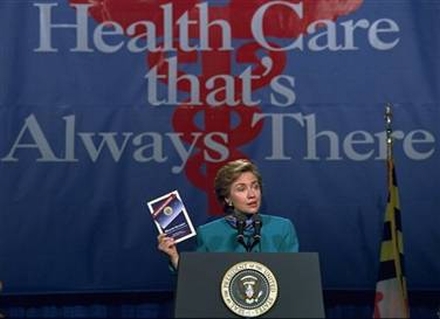
HillaryCare1993aAffordable health care—yes, of course!  We should have had it long ago, back when Hilary Clinton tried to get it going in the mid-1990s.  She was stymied by lack of authority as merely the First Lady, seen as overstepping her bounds (get thee back to the parlor, Mrs. Clinton!).

Now President Obama is getting blowback for daring to challenge the status quo and lobby openly for the rights of the poor and for all Americans who have gotten screwed by the medical industrial complex over and over again.

It’s the same old same old, which is why I have resisted taking up the Tea Party gauntlet this time.  Why should I waste my time and energy with their nonsense?

And yet, as the government shutdown looms, and behind it the mythical debt ceiling crisis, I just have to add my voice to the chorus of BOOS and throw some metaphorical rotten eggs at those stinking Tea Partiers who want to deprive ordinary Americans of the right to a functional government, along with the right to affordable health care and an economic system that at least attempts to lift all boats.

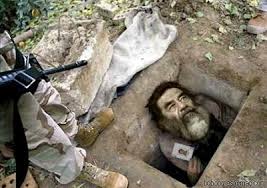
images-1I thank the President and the Democrats for holding the line on this one.  “We don’t negotiate with terrorists,” right?  Let’s let those terrorist Republicans dig their own fox holes and stew in their own SH*T.  I’d like to see John Boehner coming out when it’s all over like Saddaam did, dazed, dirty and totally deposed.

images

Turns out “Crazy Mary” isn’t crazy after all: Homage to Mary Daly’s Green Philosophy

In my quest to drown out the drone of the mindless Republican obstinacy-for-its-own-sake that is currently taking up so much of our media bandwidth, I have been reading the work of Dr. Mary F. Daly, someone I’ve known about for many years, but never actually sat down and read.

You may have heard about Mary Daly too—she was a professor of philosophy and theology at Jesuit-run Boston College, whose first three books, Beyond God the Father, The Church and the Second Sex, and Gyn/Ecology, were runaway bestsellers among women readers, but so infuriated the powers that be at her institution that they mounted campaigns to discredit her, first trying to deny her tenure and then harassing her to step down from her tenured position.

Who was this oh-so-threatening gadfly on the flanks of the Church and Academia?

Mary Daly wielding the Labrys

Mary Daly wielding the Labrys

Daly called herself by many names—one of her projects was to take back the English language from the patriarchy that she saw used language as yet another misogynist weapon against women and the natural world.  She was a self-proclaimed “Radical Lesbian Feminist Philosopher,” a “Wild, Wicked Woman,” a “Postively Revolting Hag” who “proclaimed that Laughing Out Loud is the Virtue of Crackpot Crones who know we have Nothing to lose.”

“As an Offensive, Tasteless, Haggard Pirate,” Daly wrote in her 1992 memoir Outercourse, “I was inspired to acquire the Courage to Leave the doldrums of Stag-nation, Sailing off with as much loot as my Craft could carry.  I tried to foster in myself and in Others the Courage to Live Wildly, that is, to refuse inclusion in the State of the Living Dead, to break out from the molds of archetypal deadtime (a.d.), to take leap after leap of Living Faith, becoming Fiercely Biophilic” (198).

Biophilic as opposed necrophilic, which is how she described Western society—a society built on and organized around sucking the lifeblood from the planet.

Although the dominant feminist movement has resisted the eco-feminist tendency to link women and nature “essentially,” Mary Daly saw women as having a special role to play as bearers and defenders of life—not in terms of the conventional “right to life” type of discourse, but in terms of the right and indeed the responsibility to protect and nurture the planet and other life forms on it from the predations of patriarchal society.

“By being the originator of my own Green Philosophy,” she wrote, “which is the tabooed woman-identified/nature-identified philosophy, I have uttered a Great Refusal of the patriarchal prescription of Self-lobotomy for and by women” (326).

The truth is that most people I know automatically turn off and turn away when a woman dares to utter the word “patriarchy.”

It’s a word-bomb wielded by feminist terrorists, and “we don’t negotiate with terrorists,” do we?

Maybe it’s time to remember that one man’s “terrorist” is another’s “freedom fighter.”

Maybe it’s time to be honest about the fact that the rape and pillage of our planet has in fact been a male-dominated project.

To criticize the patriarchy as a system of knowledge and action is not to condemn any individual man.  All individual humans are free to choose how they will act in the world, and many individual men have acted honorably and with loving care towards women, animals and the planet as a whole.

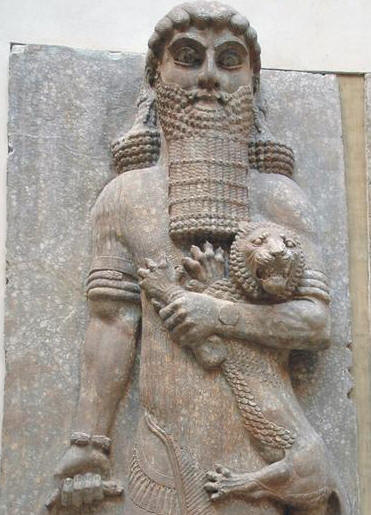
Gilgamesh

Gilgamesh

But in general, I have to agree with Mary Daly that since the advent of patriarchal human civilization–say, around the time when Gilgamesh defied the gods and cut down an entire cedar forest to build his city—humanity has lived by extractive, exploitative, often cruel and extremely destructive frameworks of ideology, policy and praxis.

Women in power, or women close to men in power, have often gone along for the ride and enjoyed their entitlements.  For example, in education: education for centuries was the exclusive prerogative of men, and when women were finally admitted to the august halls of higher learning, they tended to conform to whatever it was the authorities expected of them.

A woman like Mary Daly, who was able to think for herself outside the box of patriarchal philosophy, and who dared to criticize the masters, would be undercut by whatever means possible—dismissed as a lunatic, ignored and disdained, exiled and excommunicated.

Mary Daly was gutsy enough to survive all the attacks that were lobbed at her, and come back swinging.  Each of her books is more radical and free-thinking than the last, and she never wavers from her central insight, which she credits to her interchange with a clover blossom at age 14, that every form of life on the planet has intrinsic value, meaning, and a purpose on the planet.

Unknown-1“There was the Moment…when one particular clover blossom Announced its be-ing to me.  It Said starkly, clearly, with utmost simplicity, ‘I am.’…The encounter with that clover blossom had a great deal with my becoming a Radical Feminist Philosopher.  If a clover blossom could say ‘I am’ then why couldn’t I?” (23).

Daly takes a great leap here away from the artificial structures of the kind of “post-structuralist” philosophy that I, for example, spent countless hours studying during my years in graduate school in the 1980s.

Like Derrida, Daly is interested in words and language and how the “binary oppositions” of Western philosophy, starting with the mother of them all, Good and Evil, have played out in socio-political frameworks that conspire to maintain the patriarchal status quo.

But she is not interested in staying in the labyrinthine worlds of textuality; she is very much engaged with how these linguistic issues affect real, flesh-and-blood women and other beings.  She not only dares to call out the patriarchy, she also dares to discourse with other species in her writing—not just clovers, but also cats, cows, and trees—and to raise what she calls “Fore-Sisters” of earlier times to engage in philosophical dialogue.

Daly was not afraid to call herself a Witch, and to reclaim the demonized power of magic to confront the necrophilia of dominant society.

For instance, in Boston in 1989, she worked with friends and students to create a multimedia performance called “The Witches Return,” which would “expose the gynocidal/biocidal atrocities [of patriarchy] and the connections among them.”

On Mother’s Day, 1989, the group acted out with intense emotion a Witches’ Trial that culminated in the symbolic beheading of those who were accused of “the massacre of women’s minds, bodies and spirits.” Daly wrote, “Our dramatic indictment was created with utterly Fiercely Focused Rage and Elemental, Creative Power” (398).

The performance was a rejection of what she called the “foreground,” ordinary day-to-day life so totally saturated in atrocity that people became numb to it—and a reaching into the “background,” the deeper truths that, if accessed, could light the way to real change.

Daly’s description of the difference between the foreground and the background makes so much sense to me, now in 2013 even more than in 1989.

In our media-saturated lives, it is so easy to spend most of our waking hours tuned in to someone else’s vision, listening to someone else’s insights, digesting information packaged for us by someone else.  And most often, that someone else is—let’s face it—a white man, or someone who is reacting to the dominant white-male patriarchal vision.

How often do we allow ourselves to simply sit down in a field and commune with a clover?  How often to we allow ourselves to listen to ideas that seem radical or weird or crazy?

Isn’t it interesting that radical ideas coming from white males get plenty of press time and are entertained with great seriousness by the entire world (I’m referring to the crazy, weird, radical ideas of the Republican Tea Partiers) while when a woman dares to utter the taboo word “patriarchy” she is immediately not only dismissed, but completely ignored and excommunicated?

In the last book she wrote before her death in 2010, Amazon Grace, Mary Daly called on women who understand the connections between gynocide and ecocide to come together and dare to, as she phrased it, “Sin Big”—dare to call out the patriarchy and insist that, as Arundhati Roy memorably put it, “Another world is possible. On a clear day, I can hear her breathing.”

Yes.

Tell me a different story, somebody, please!

As a college professor with a focus on media and issues of social and environmental justice, it’s my responsibility, I believe, to be tuned into the news of the day.

I need to know that, as reported by Jennifer Steinhauer in The New York Times, “For roughly 30 hours over several days, defense lawyers for three former United States Naval Academy football players grilled a female midshipman about her sexual habits. In a public hearing, they asked the woman, who has accused the three athletes of raping her, whether she wore a bra, how wide she opened her mouth during oral sex and whether she had apologized to another midshipman with whom she had intercourse “for being a ho.”

I need to know that the Obama Administrations efforts to regulate and clean up the American coal industry “are certain to be denounced by House Republicans and the industry as part of what they call the president’s “war on coal.”

I have to follow the progress of the latest massive floods in Colorado, noting that they involve the release of unknown quantities of toxic chemicals into the region’s waterways; these floods happened in a populated area of Colorado that also happens to be the site of thousands of gas fracking wells.

Then there are those unprecedented wildfires in California, finally under control after having burned 400 square miles in and around Yosemite National Park, with “a solid 60 square miles burned so intensely that everything is dead.”

California Rim Fire, 8-21-13 Photo by Robert Martinez

California Rim Fire, 8-21-13
Photo by Robert Martinez

I have to pay attention when our nation threatens missile strikes on another Middle Eastern country, or there’s another crazy gunman on the rampage with assault weapons in a peaceful civilian setting, or a bunch of ideologically blinkered Republican politicians threaten to shut down the U.S. government and force us to default on our international debt obligations, putting the world financial system in jeopardy, simply in order to embarrass the country’s popular Democratic African-American President.

To do my job well, I have to know about these issues and episodes, and so I follow the media daily.  And yet day by day I grow more resentful of being dragged along on storylines that I find so—so—well, so boring.

They’re boring because they’re so repetitive.  Another fire, another flood, another mass shooting, another U.S. missile or drone strike, another government shutdown to be averted at the last minute.  Another woman raked over the coals when she tries to bring a rapist to justice.

And in the background, the real story, the Big News of our time, grinds on relentlessly, it too so endlessly repeated that we have all become blind, deaf and dumb to it.

I’m referring, of course, to the story of global climate change, with its attendant melting ice, rising seas, rising temperatures, erratic weather and, ultimately, mass extinction of life as we know it on Earth.

I understand why very few humans alive today want to grapple with that story.

If the news episodes I listed above are boring in their repetitiveness, the Big News of climate change is just too scary to take in.

No wonder so many people of all ages just don’t bother following the news, preferring instead to focus on televised sports or the latest mini-series or movies.

People seem to have a fatalistic approach to reality lately.

Obamacare will go through or it will be defunded, no matter what we think or do.  Fossil fuel plants will continue to burn, not only unregulated but subsidized at that; politicians will continue to act in criminal ways (shutting down the U.S. government is an act of treason in my book!), boys will continue to be boys and get slapped on the wrist when a woman dares to cry rape–no matter what we do.

The entire American populace seems to be locked in some kind of slumped-over apathy, just trying to keep up the mortgage payments, trying to stay healthy in an increasingly toxic environment, trying to raise decent kids despite the toxic media entertainment landscape in which the kids spend most of their time.

I’m slumped over with the rest, a lot of the time.

But there is something in me that resists this posture, too.  There is something in me that yearns for a different narrative.  Tell me a different story, somebody, please!

Not a return to the triumphalist patriarchal Manifest Destiny that led us inexorably to the disastrous brink on which we now perch.

Not the macho environmentalism that tries to beat the fossil fuel villains in the courts and the high seas.

Not the moralistic sermonizing of those who see the world in strictly black-and-white, Good-and-Evil binary oppositions.

I’m hungering for something deeper.  Something bigger.  A story that truly acknowledges where we are today as a species, and can help us to perceive the way forward out of the current slumped-over morass of bad news.

Briane Swimme

Briane Swimme

The closest I’ve been able to come to such a story so far is the work of Thomas Berry and Brian Swimme.  In their visionary description of the “Ecozoic Era” that we could create, acting in the best interests of the planet as a whole, I find the map and the compass I’ve been seeking to guide me to a livable future.

In the final chapter of their book The Universe Story, Berry and Swimme lay out a vision that, tragically, we have not heeded in the more than 20 years since the book appeared in 1992.

“In economics it is clear that our human economy is derivative from the Earth economy.  To glory in a rising Gross Domestic Product with an irreversibly declining Gross Earth Product is an economic absurdity.  So long as our patterns of consumption overwhelm the upper reaches of Earth’s sustainable productivity, we will only drive the Earth community further into ruin.  The only viable human economy is one that is integral with the Earth economy” (256).

“We need an inter-species economy, an inter-species well-being, an inter-species education, an inter-species governance, an inter-species religious mode, inter-species ethical norms,” they say (257).

Berry and Swimme end their vast “journey of the universe” by describing the celebratory aspect of the universe, which perhaps only humans, at least of the beings on Earth, can fully appreciate.

The cosmic celebration--courtesy of the Hubble telescope

The cosmic celebration–courtesy of the Hubble telescope

“Everything about us seems to be absorbed into a vast celebratory experience,” they say.  “There is no being that does not participate in this experience and mirror it forth in some way unique to itself and yet in a bonded relationship with the more comprehensive unity of the universe itself.  Within this context of celebration we find ourselves, the human component of this celebratory community.  Our own special role is to enable this entire community to reflect on and to celebrate itself and its deepest mystery in a special mode of self-conscious awareness” (264).

In other words, our role is to be the storytellers of past, present and future.  Of all the amazing beings on the planet, no one else can fill this particular niche.

It is our privilege and our curse as humans to KNOW so much about what we are doing at any given moment on the planet, and to ceaselessly narrate that knowledge.  Now in the 21st century, aided by the global neural network of the World Wide Web, we have never been more tuned into the on-going global story, but this knowledge often becomes oppressive, since so much of what we are asked to absorb is negative, bad news.

It’s time to rebel–to resist the battering of the bad news, to become producers rather than just passive consumers of knowledge.

We need to start telling new stories.  Empowering, positive stories that light the way towards the human beings we could become, the human civilization we could create, in concert and harmony with the rest of the Earth community.

What stories do you hold locked in your heart, tenderly sheltered from the glare and cacophony of contemporary pop culture?

I suggest you look to the home ground of your deep childhood for inspiration.  Remember the stories you told to yourself then, or that you heard the flowers and the insects singing.  Remember the way the motes of dust twirling in the sunlight spoke to you.

Remember what it felt like to have an unmediated, imaginative connection with the world around you.

Then speak the truths that come out of that primary knowledge.

Pete Seeger, Still Braving the Storm

Every generation there are a few great souls that rise up so full of the sap of life that their cup brims over and carries everyone around them along with it.

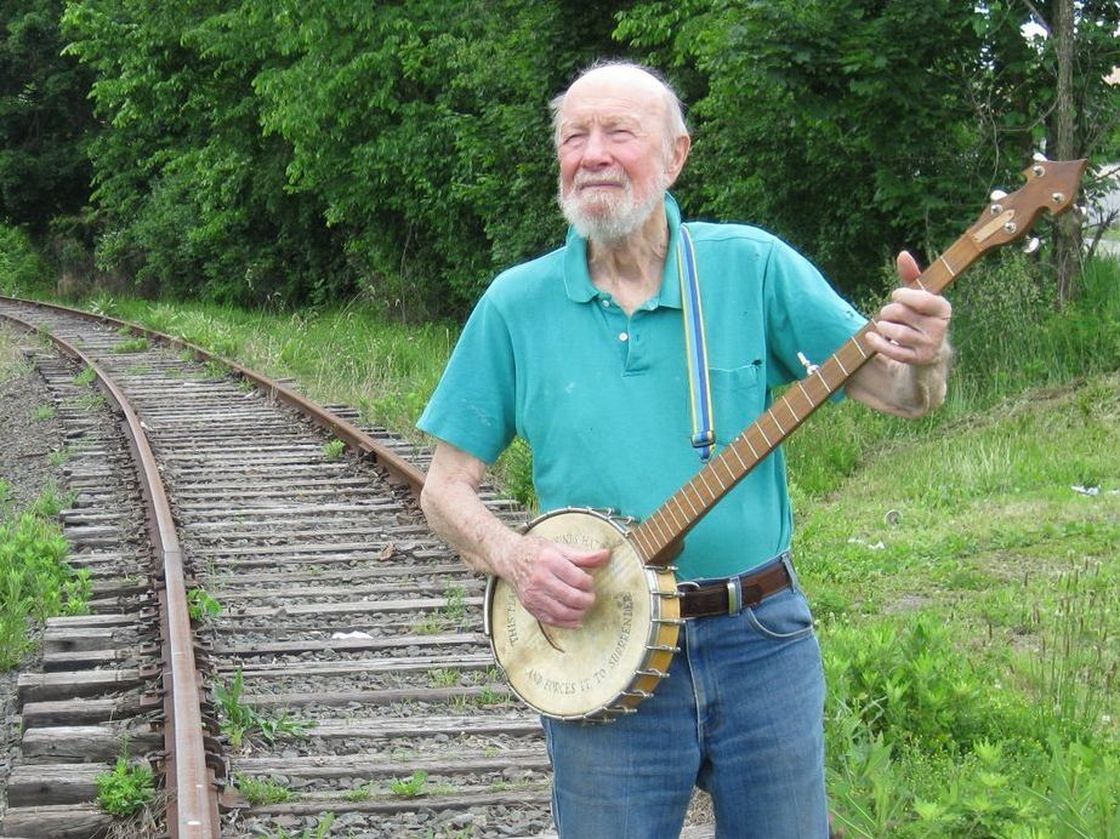
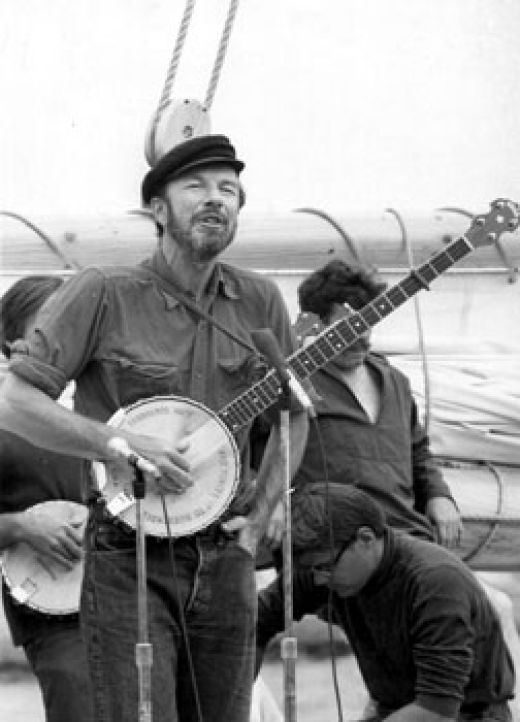
img_2137_2-photo-15Pete Seeger is one of those great souls.  Born in 1919, coming of age during the Great Depression and the American labor movement, he channeled his gift for moving others into his music, and became the voice of several generations of Americans restless with the status quo, searching for a better world.

I grew up with the songs of Pete and his soulmate Woody Guthrie, another bright flame who burned himself out after only 55 years on the planet, dying in 1967.

Pete, now 94 years old, has been steady and unwavering all these years, staying focused on social and environmental justice through all the ups and downs, through all the changes in leadership and the rise and fall of various organizations and movements.

In the iconic song about Joe Hill, the labor organizer framed on a murder charge and executed in 1915, the ghost of Joe comes back to the narrator in a dream, defiantly insisting that he “ain’t dead”:

And standing there as big as life

and smiling with his eyes.

Says Joe “What they can never kill

went on to organize,

went on to organize.”

From San Diego up to Maine,

in every mine and mill,

Where working men defend their rights,

it’s there you’ll find Joe Hill,

it’s there you’ll find Joe Hill!

Pete Seeger, still very much alive, is like Joe Hill in that his spirit seems to infuse every struggle for social justice.

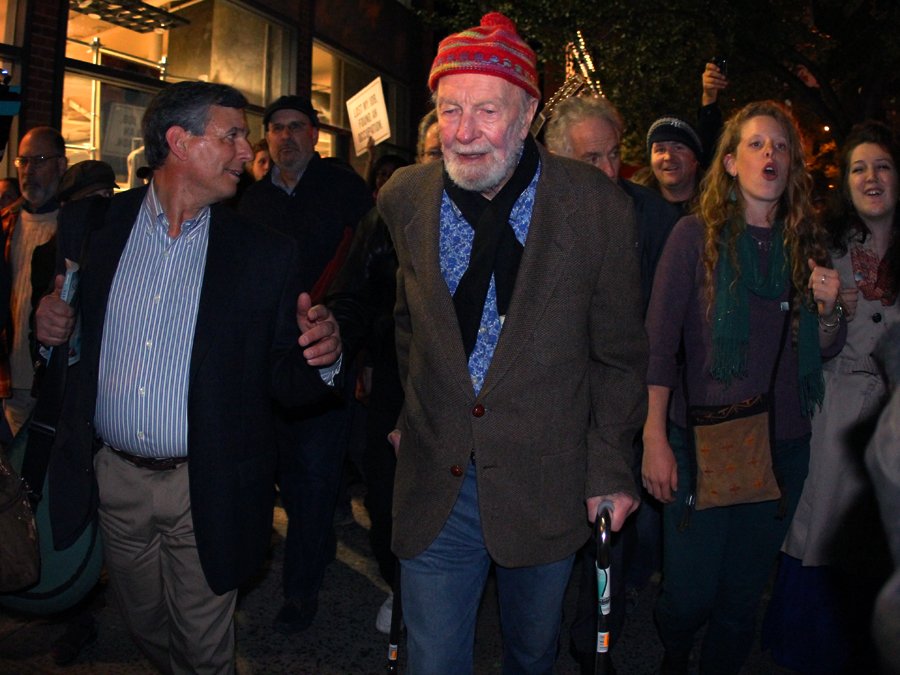
During the Occupy Wall Street movement in Fall 2011, he was there in person, galvanizing a crowd after a concert to follow him in a spontaneous march down Fifth Avenue and join him in singing a heartfelt round of “We Shall Overcome.”

here-was-tonights-special-guest-pete-seeger

His Clearwater environmental organization has become a model in inspiring communities to clean up waterways all over the nation, and indeed the world.

pete-seeger-328

Pete’s special gift is using music to inspire the best in people.

He doesn’t heckle, he doesn’t scold, he doesn’t scorn.

He just lifts up his head and his heart and seems to channel the love of the universe straight through his fingers and his vocal chords, irresistibly bringing everyone in range along with him.

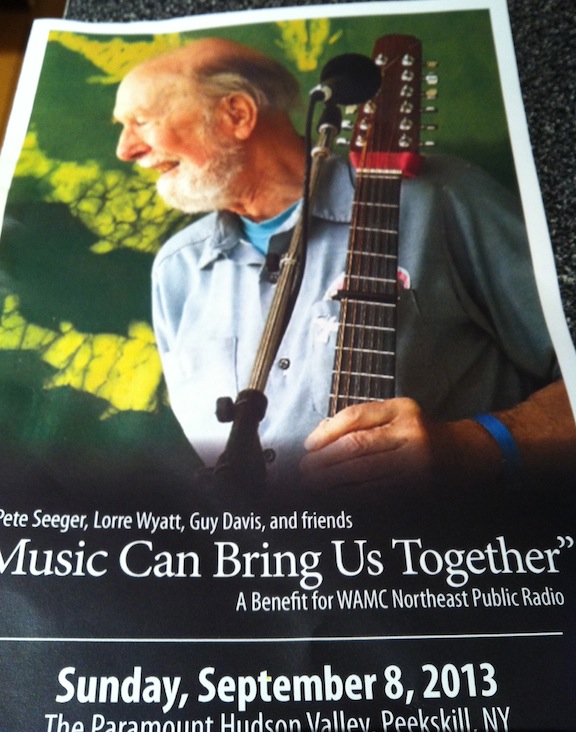
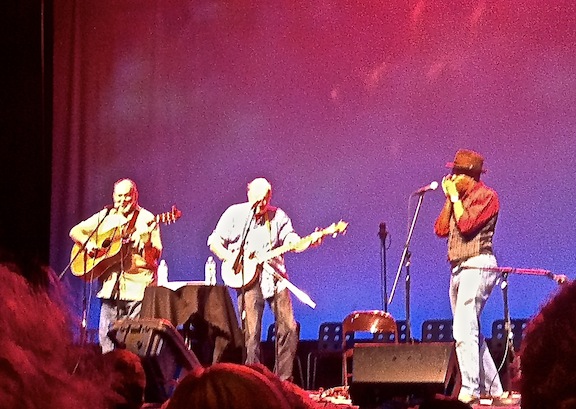
IMG_3818At a benefit concert for WAMC, Northeast Public Radio on September 8 at the Paramount Theater in Peekskill, NY, Pete’s power to inspire was undiminished, though his age is finally beginning to catch up with him in terms of his physical strength.

Nevertheless, he was onstage for a full three-hour concert, with only a brief intermission, and the delight he took in the younger people accompanying him was palpable and infectious.

For Pete, music has never been a power trip; it’s always been about creating an open-hearted place for human spirits to mingle in search of justice and beauty.

He waved off the standing ovations he received from the audience, most of whom were his longtime admirers, now going gray themselves.  He made it clear that what he had to offer was not about him, it was about the power of the music to make a positive difference in the world.

While Pete could easily have led the hall down nostalgia lane, singing all his old classics, instead he chose to give his musical partners of the day, Lorre Wyatt and Guy Davis, the chance to step in the spotlight and take a leadership role, and he took special delight in the youngsters who were singing along with him on stage.

IMG_3806

Pete sang a new song by Lorre Wyatt, “Braving the Storm,” which honored change agents like Rachel Carson, Cesar Chavez and WAMC’s tireless Alan Chartock, the chorus acknowledging “You could have stayed safe and warm but you showed us the way, braving the storm—thank you for braving the storm….”

He also sang some old fighting favorites like “We Shall Overcome,” “Where Have All the Flowers Gone,” and “Turn, Turn Turn,” his voice rising loud and strong in reminding us that “there’s a time for peace, I say it’s not too late.”

108213_f520He ended with a rousing song about the Clearwater and the Hudson River revival, reminding us that though the river has been dirty, “she’s getting cleaner every day.”

Focus on the positive, Pete seemed to be telling us—on what can be done, what should be done, what is being done to make our world a safer, saner, more loving place.  Do the work together, joyfully, singing all the while.  Have courage, be of good heart, and don’t be afraid to brave the storm, together.

Like Joe Hill, wherever people are working together for a better world, it’s there you’ll find Pete Seeger, in body and in spirit.

Thanks, Pete, for showing us the way all these years, and being a tremendously inspiring model of an elder who only grows more powerful, active and courageous with age.  We’re with you in spirit too, always!

85074216

The September 8 concert was dedicated to Pete’s late wife, Toshi, who died earlier this year.

From Syria to Sunshine

And so we find ourselves, once again, on the brink of sending our military to attack another country, about which, again, we seem to know pathetically little.

Will it be possible to perform a “surgical strike” in Syria, preventing the government armed forces from using chemical weapons without actually taking sides in the civil war?

To what extent have the “rebel forces” been infiltrated by radical Muslim fighters coming over from Afghanistan and Iran?

What are the motives of the shadowy big players looming in the background—China, Russia, Saudia Arabia, Iran, Israel?

Why has the United Nations been so silent?

But here’s the big question that no one is asking: why aren’t we working like banshees to reduce our dependence on Middle East oil?

The fact is that the sheikdoms of the Persian Gulf were insular, off-the-the-beaten track kingdoms until the advent of the modern Western addiction to oil.  It’s all about resources.

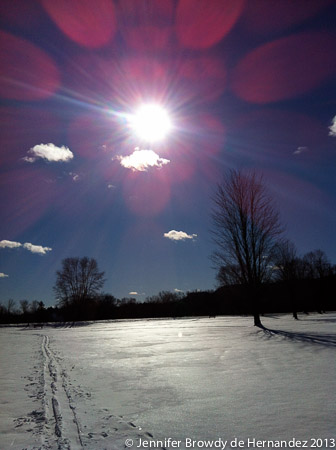
If humans replaced our dependence on fossil fuels with a dependence on the mother fuel of it all, the Sun, we would be so much better off.

The Sun is one of those resources, like air, that is free and available to all.  Every tree, every blade of grass, every phytoplankton, benefits from the sun.  The sun plays no favorites, though sometimes clouds intervene.

If we put anything near the amount of dollars we currently put into weapons development, production, and the waging of war, into research & development of solar energy capture, storage and distribution, we would suddenly find ourselves accelerating into a whole new era of human civilization, as dramatic as the shift from coal to oil, or from horsepower to steam.

IMG_1174 copy

The Middle Eastern nations, being naturally sunny, would do fine in a new solar-based economy.

But there’s no part of our globe that is cut off from sunshine.

In fact, the sun shines in my backyard just as brightly as it does in yours.

Exxon/Mobil/BP and all the rest couldn’t lay claim to a monopoly on sunshine, although I am sure they will try to control the storage and distribution networks.

But solar is naturally inclined to egalitarian distribution.  Just as every daisy in the field and every apple on the tree has an equal claim on sunshine, so every human being is also entitled to soak up those rays.

DSCN2769 copy

Photo by Eric Hernandez

Wake up, humanity!  Wake up, Americans!  Understand that we do not have to spend our hard-earned tax dollars on war instead of peacetime priorities like education, health and social security.

Understand that the same forces that want to wage war are the ones that want to frack and drill and build pipelines to Kingdom Come.

Gone is the time when oil came gushing up out of the wells, black gold that would make us all rich.

Now oil is a fool’s gold, bankrupting the majority even while it enriches the few who control the wells, the refineries and the gas stations.

Another world is possible—a world that looks to the sun to warm us and the wind to cool us, at a fraction of the cost of the 21st century extraction of oil.

When we think about intervening in Syria, or Iraq, or Iran, or Afghanistan, or Colombia, or Venezuela, or Ecuador—understand that whatever the stated moral goal, the real reason is a very simple three-letter word: O-I-L.

To which we can respond with some very simple words of our own: S-U-N, W-I-N-D.

N-O-W.

What are we waiting for? Violence and climate change in our brave new world.

Finally, in the Sunday New York Times, a report giving empirical evidence of what we already knew intuitively, that climate change leads to violence, and that it’s going to get worse as the planet continues to warm.

For a couple of years now I’ve had a haunting premonition that violence is going to come even to the comfortable, beautiful corner of the world where I live.

We saw how fast tempers flared when Hurricane Sandy created gas shortages down in the New York metropolitan area.

What happens when our industrial food supply starts to fail, given the inevitable and already-occurring wildfires, droughts, tornados and floods?

When people get hungry, survival-of-the-fittest kicks in, and it will take serious riot police to keep order when the supermarkets run out of food.

The authors of the new report say that their findings “are particularly important for what they imply about the future. Many global climate models project global temperature increases of at least 3.6 degrees Fahrenheit (2 degrees Celsius) over the next half-century. Our results imply that if nothing changes, this rise in temperature could amplify the rate of group conflicts like civil wars by an astonishing 50 percent in many parts of the world — a frightening possibility for a planet already awash in conflict.”

Frightening indeed. What to do with this new knowledge?

The authors urge political leaders to “call for new and creative policy reforms designed to tackle the challenge of adapting to the sorts of climate conditions that breed conflict — for instance, through the development of more drought- and heat-resistant agricultural technologies.”

I hardly think that the answer lies in agricultural engineering.

In the time we have left before chaos sets in we should be re-localizing agriculture, setting up distributed energy networks and re-learning the old arts of drying, salting, canning and cold storing agricultural products.

Indian Line CSA, one of the first in the nation

Indian Line CSA, one of the first in the nation

We should also be disarming our civilian population and focusing on creating strong community networks of mutual support.

For all our cleverness, humans are just primitive beasts when our bellies are empty—primitive beasts armed, at least in Fortress America, with deadly assault weapons.

The nightmares of the Congo, Somalia and Sudan, not to mention Afghanistan, Syria and Iraq, could easily start up here too, when food is scarce and sectarian violence begins to flare.

The truth is that we can’t rely on national and international leaders to undertake meaningful “policy reforms”—not when they are being held hostage by Big Carbon, Big Ag, Big Chemical/Pharma and Big Finance.

Delusional these corporate giants may be, but they will be going down with the ship holding fast to their belief in the value of limitless human economic growth, stable climate be damned.

We who believe that another world is possible need to hold fast to our own belief that the world won’t end when those giant glass towers in financial districts worldwide go down.

We can build that new world—not through technology and arms, but through community and collaboration.  Bottom-up, not top-down.

It’s true: we are the ones we’ve been waiting for.  And given the impending climate crisis, there’s no point in waiting anymore.

Harvesting at Indian Line Farm, Berkshire County MA

Harvesting at Indian Line Farm, Berkshire County MA