Sharing and Seeking New Stories, Moving from Silence to Language, Action and Hope

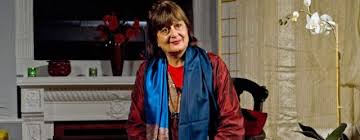
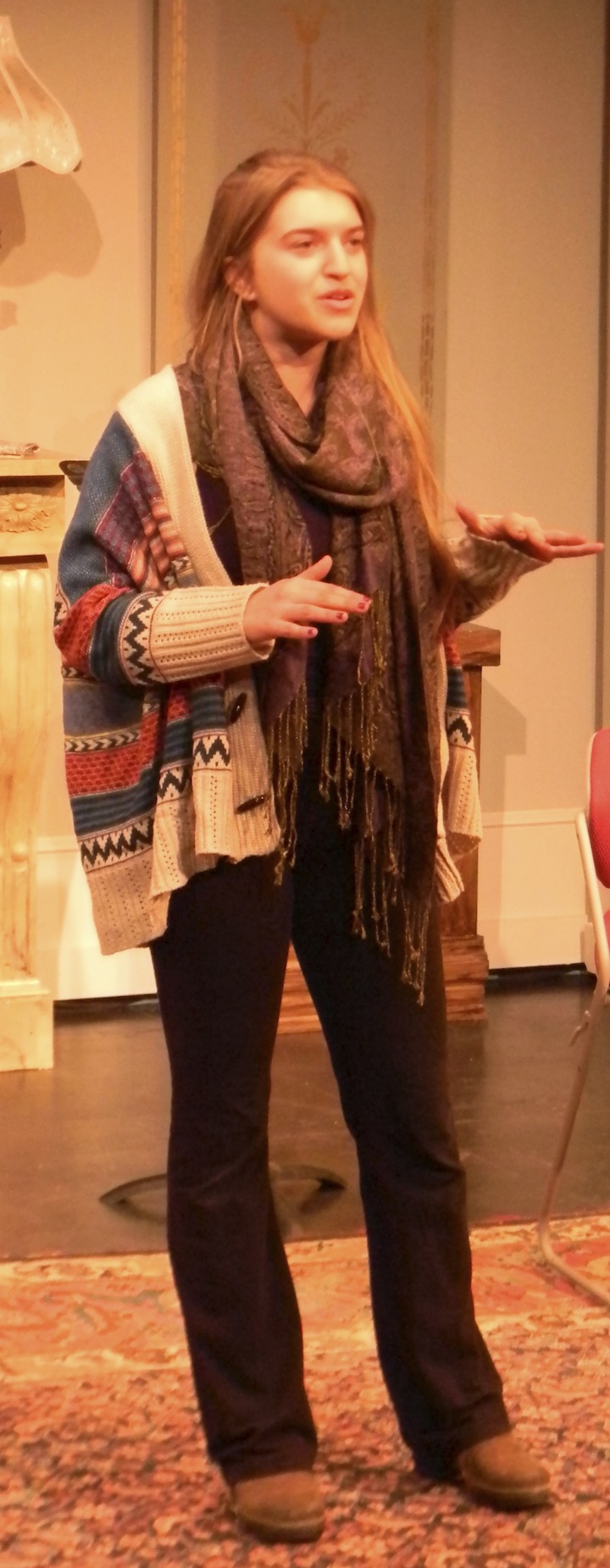
Jennifer Browdy de Hernandez; photo by L. Najimy

Jennifer Browdy de Hernandez; photo by L. Najimy

Yesterday, for the first time, I gave a public reading from my memoir, What I Forgot…and Why I Remembered.  It was a powerful experience, offering me a personal taste of what the Berkshire Festival of Women Writers has been giving to other women writers all month.

We met at the Friends Meeting House in Great Barrington, in a meeting room imbued with incredibly peaceful energy and beautiful light, with big windows opening up to the trees, mountains and sky off to the West.  I stood with my back to the view, wanting the audience to see me as I see myself, a small human nestling up to the flank of our great Mother Earth.  The reading started at 4 p.m., so as I talked and read the sun sank slowly behind me, and I was told afterwards that hawks cruised by casually a few times, riding the strong March winds.

Earth, water, fire and air…those are the elements that compose each of us, literally and figuratively.  We are simply emanations of our planet, like the flowers of the field and the fish of the sea.  Remembering that, it becomes easier to see how insane it is to poison and destroy our planet.  It is, quite simply, suicidal.

Last week a beloved member of my local community, a young woman, took her own life and set off a storm of grief.

How powerful it would be if that kind of deeply felt emotional response could be aroused in relation to the slow-moving suicidal ecocide that we are all currently participating in!

Of course, first we have to recognize what’s happening.  As I say in my memoir, most of us are still sleep-walking when it comes to seeing the great tragedy of our times.  We’ll still be sleep-walking, mumbling numbly that “everything is fine,” right off that cliff, unless we can be woken up in time and aroused to channel our emotions into positive change.

It’s not scientific facts and figures that will wake people up to the reality of the Sixth Great Extinction and the human-induced ending of the stable climate we’ve enjoyed for many thousands of years.

It’s hearts, not minds, that must be moved. And for that, it’s stories, not charts, that are called for.

It’s in this spirit that I offer my story in my memoir. Here is a quote that I read yesterday:

“My story is the story of a generation of Americans who grew up with tremendous privilege, so comfortable and coddled that we were not even aware of how very privileged we were.  It is the story of many generations of people who grew up believing that they had the right to take endlessly from the natural world, without fear of exhausting the planet’s resources, and without ever giving anything back. It is the story of my generation’s tremendous alienation from Nature, our reliance on technology and engineering to solve all problems, to the point where we could delude ourselves that we did not need the natural world to make us happy, only our own representations of her, and the resources we could extract at the push of a button.

“My story is the story of how finally, at midlife, I came back to my senses and woke up to the impending disaster that my generation had presided over unthinkingly.  I could share this story in the hopes that the very ordinariness of it would help my peers to wake up as well, and join the great struggle of our time, the struggle to turn our tremendous intelligence to the good work of creating a livable future for ourselves, our children and the billions of innocents condemned to extinction by our thoughtlessness.”

I also read a quote from Audre Lorde, who has been so important in encouraging me to overcome my social conditioning to be quiet, to be polite, to go with the flow, to suck it up, to keep my head down…which women, in particular, get a heavy dose of all our lives.

This is what Lorde has to say about that conditioning, from her essay “The Transformation of Silence into Language and Action, in the Sister Outsider collection:

“My silences had not protected me. Your silence will not protect you….What are the words you do not yet have?  What do you need to say?  What are the tyrannies you swallow day by day and attempt to make your own, until you will sicken and die of them, still in silence?…

“In the cause of silence, each one of us draws the face of her own fear—fear of contempt, of censure, or some judgment, or recognition, of challenge, of annihilation.  But most of all, I think, we fear the visibility without which we cannot truly live….

“And that visibility which makes us most vulnerable is that which is also the source of our greatest strength. Because the machine will try to grind you into dust anyway, whether or not we speak.  We can sit in our corners mute forever while our sisters and ourselves are wasted, while our children are distorted and destroyed, while our Earth is poisoned; we can sit in our safe corners mute as bottles, and we will still be no less afraid….

“We can learn to work and speak when we are afraid in the same way that we have learned to work and speak when we are tired. For we have been socialized to respect fear more than our own needs for language and definition, and while we wait in silence for that final luxury of fearlessness, the weight of that silence will choke us.”

Truly we no longer have the luxury of waiting for the time to be right to speak up, to take action, to admit to ourselves and others that everything is NOT FINE, not at all.

All of our stories are important. The more we open up and share with one another, the greater the potential that we’ll be able to find the connecting points that will enable us to work together to create a new story, a bridge of a story to carry us forward into the future and help us create the structures we will need to weather the storms that are coming.
Bypassing the Old Boys’ Club

As we move exuberantly into the second half of the 2014 Berkshire Festival of Women Writers, my mind is sparkling with memories of the powerful, indeed heart-stopping moments that have already taken place at Festival events this season.

DSCN4609Grace Rossman extending a powerful poetic hand to the drowning Ophelia in so many girls today; Ruth Sanabria impersonating both her mother and the fascist regime that unjustly imprisoned her in a fierce poem about the impossibility of stamping out the love between mother and daughter; Kate Abbott celebrating the cultural diversity of the Berkshire hills as she works quietly and steadily to make it more visible; Barbara Bonner eloquently describing the spirit of generosity that seeks and needs no recompense.

The list could go on, and it will, as the Festival continues to unfold day by day this month, and throughout the year in the on-going readings, workshops and writers’ circles that will be taking place under the Festival banner.

This is important work we’re doing together at the Festival—creating multiple entry points and platforms for women writers to step into the spotlight and shine.

The truth is, such opportunities are still all too rare for women writers, and creative women more generally.

Overall17-316x173At the end of February, just in time for Women’s History Month, the non-profit, all-volunteer group VIDA published its annual Count, revealing the continuing disparity between men’s and women’s voices in literary and upscale magazines and journals.

Overall14-316x173I invite you to take a look for yourself: the results show clearly that in literary circles (think The New Yorker, the Times Literary Supplement, The New Republic, The Atlantic, the London Review of Books, The Nation and the New York Review of Books), the old boys’ club is alive, well and holding steady at an average of 75% male voices represented in their pages over the past year.

The same is true in the film industry, the theater industry, and in the television industry. 

It’s the same in book publishing, which may be one reason why women are so interested in exploring new opportunities for self-publishing and self-promotion.

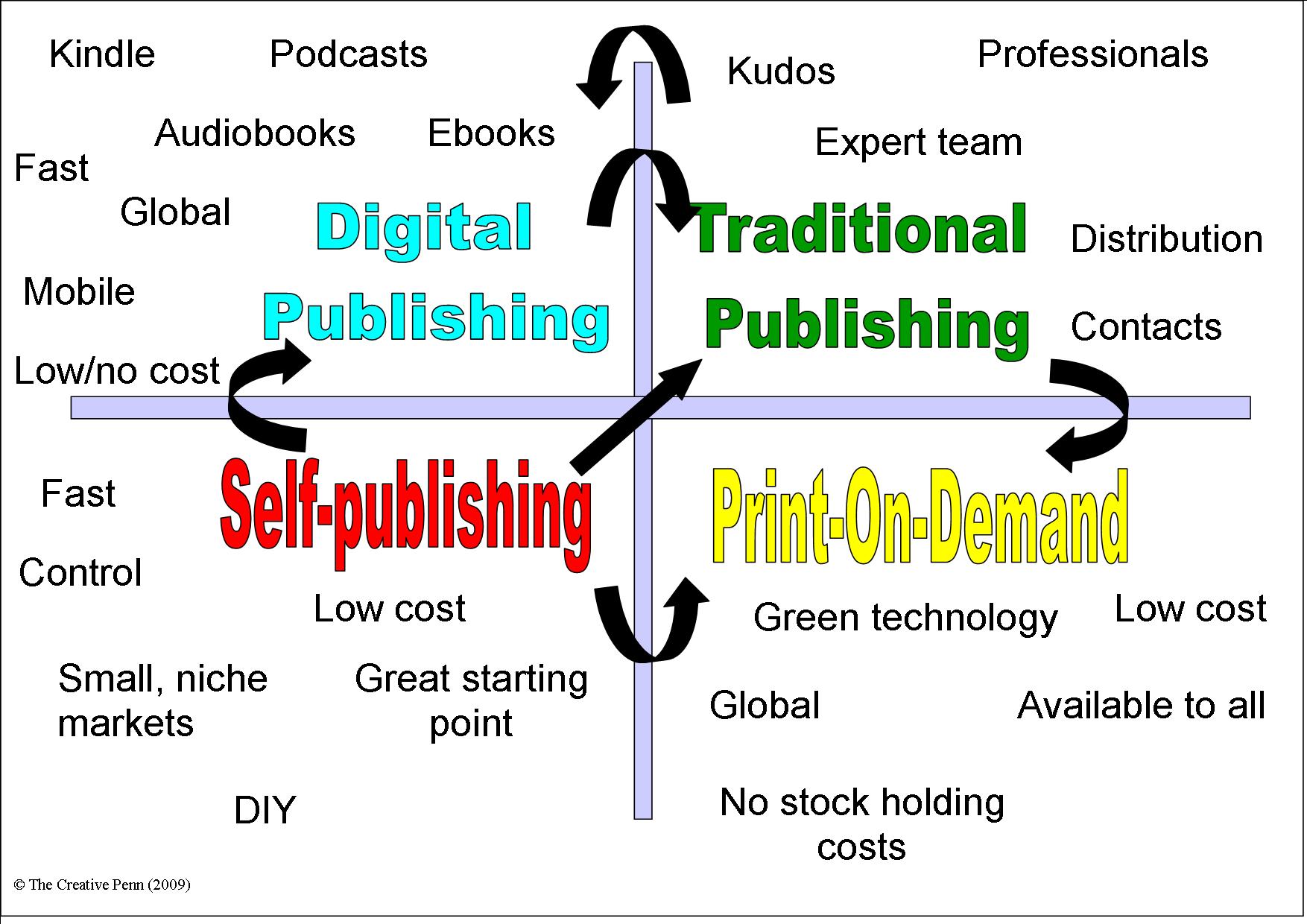
publishing_quadrant1222These days in publishing, it’s like the Berlin wall coming down—gates thought to be invincible are simply crumbling away, with their keepers revealed in all their flabby ordinariness.

Having spent far too much of my life not even trying to take myself seriously as a writer because I knew exactly how high the odds were stacked against my success, I’m excited about the DIY spirit of the new publishing landscape.

I’ve got a book that’s almost ready to launch, and buoyed by the lively, can-do spirit of the Berkshire Festival of Women Writers, I’m thinking seriously about bypassing the old boys’ club entirely and taking responsibility myself for getting my words out into the world.

No more sitting on the sidelines complaining that “they won’t let us in!”  No more waiting to be asked to dance.  No more hiding my light for fear it won’t be appreciated.

BFWW-square-logo-2014If all of us women started supporting each other and working collaboratively to create the opportunities we all need to shine, we could change the creative cultural landscape for the better, turning those red and blue pie charts a lovely shade of purple.

What a beautiful world it would be!

Daring to imagine a brave new post-patriarchal world

When was the last time you uttered the dreaded P-Word?

Patriarchy, that is.

Somehow the word itself comes out sounding like a challenge, even when it’s not meant as one.  Calling attention to the fact that men still rule the world is considered poor taste.

Women who dare to use the P-word in conversation run the risk of being labeled as strident femi-nazi ballbusters, resentful unfortunates to be avoided if at all possible.

Am I exaggerating?  I don’t think so!

What happens when we all agree to participate in the collective delusion that gender equality has been achieved?  Who loses and who gains?  What opportunities are lost and forfeited?

I’m tired of living in a society that calls strong men “leaders” and strong women “bossy.”

I want to encourage more girls and women to step into leadership roles in every public arena, and be applauded for it by both men and women.

I want to see all leaders supported by excellent child care, fabulous schools and reasonable flex time at work.

When women and men take time off to focus on their families, I want to see that time recognized as valuable—indeed, essential—to maintaining a healthy society, and rewarded by Social Security accrual down the road in retirement.

Last week I spent time with two young mother-writers who came to present their work at the Berkshire Festival of Women Writers.  Both spoke of how hard it is to keep their professional lives going strong while also nurturing their families.  I certainly remember that struggle myself, and it’s not all in the past tense!

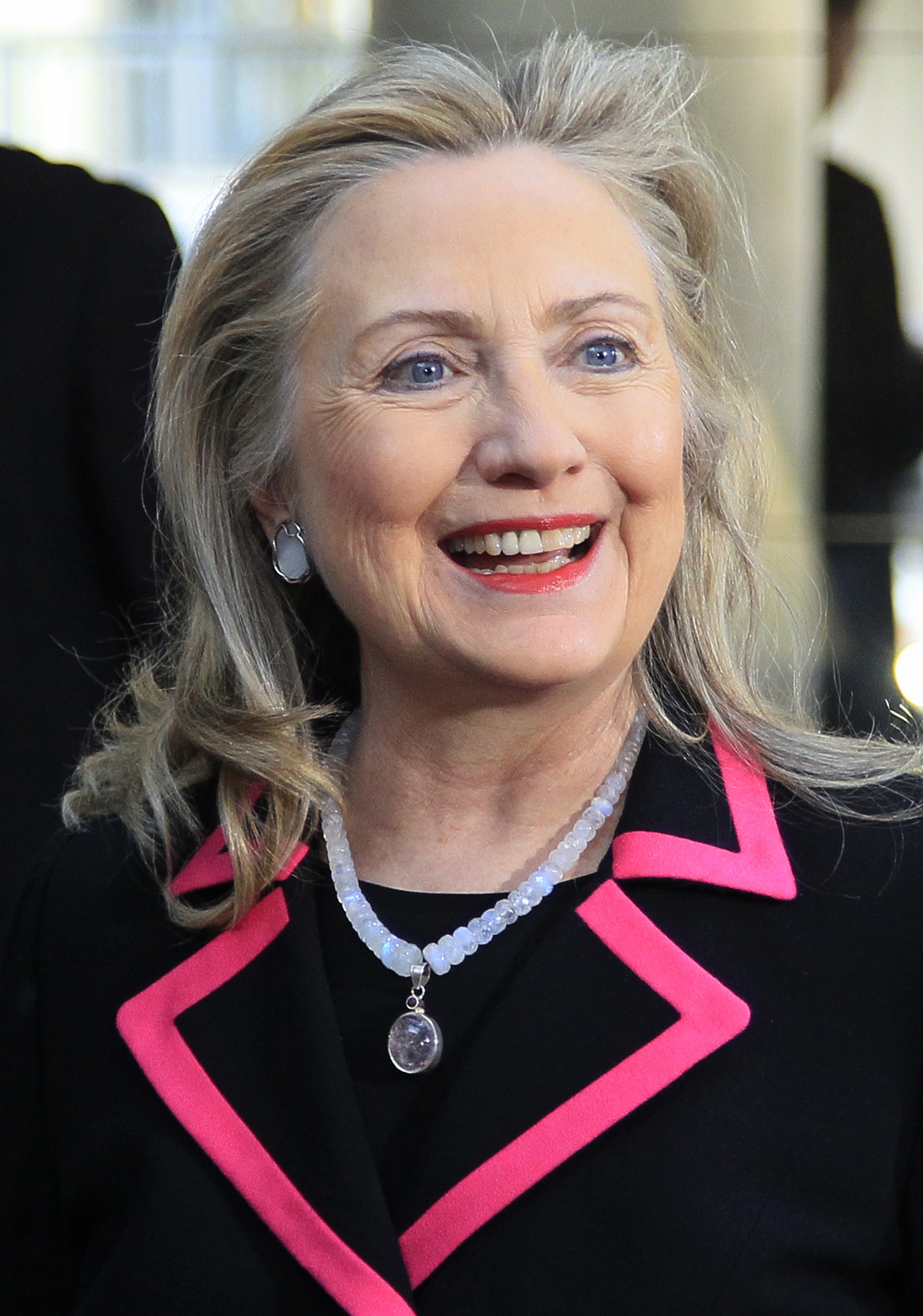
Hillary Rodham Clinton, late bloomer?

Hillary Rodham Clinton, late bloomer?

Is there any wonder that women are so often late bloomers when it comes to our professions?

But actually, let’s do away with the term “late bloomer” too, at least when it comes to women who do what makes perfect sense: focus on their families during their 20s and 30s, and get back to their careers when the childcare pressures ease up.

Those women have been blooming all along, or at least they would be if they lived in a society that supported and applauded their efforts, and encouraged men to share the burden of housework and childcare equally.

The patriarchy locked women in the domestic sphere for many long centuries, while devaluing “women’s work” as lower-paid and lower-status.

It’s time for us to celebrate women’s work as essential and invaluable, while also insisting that the whole category of “women’s work” has to be dismantled. We don’t need a gendered division of labor anymore, in the public or the private spheres.

What we need are strong, capable leaders to step up and help us evolve quickly into the resilient, collaborative, respectful human society we know we can be.

Bringing home the bacon and frying it up too: homage to mother-work

Jenny Laird reading on opening night of the 2014 Berkshire Festival of Women Writers

Jenny Laird reading on opening night of the 2014 Berkshire Festival of Women Writers

The theme of last Saturday’s opening night event at the Berkshire Festival of Women Writers, Out of the Mouths of Babes: An Evening of Mothers Reading to Others, was “What do mothers make?”

The answers provided by the evening’s presenters–all women at various stages of their lives–were various, but there was a common theme: mothers make families, mothers make relationships, mothers make community.

Historically, in most societies this has been the primary role given to women—to serve as the emotional heart of families, to make the meals and make the homes that lead to strong, centered communities.

These days, in American society at least, women are expected to do all this and also be successful in their professional lives.  Only the wealthiest American families can afford to have a stay-at-home parent.

In most households I know, especially among people at mid-life or younger, both parents are working hard at their jobs and also trying to sustain a healthy home life.  And in most families I know, it still falls disproportionately to women to keep those home fires banked and burning bright.

We live in a society that measures personal success by income, but puts no monetary value on homemaking, parenting and elder care.

So all those hours that women put in to keeping our families and communities strong and healthy “don’t count.”  The nation sends a pretty clear message through our Social Security retirement system, for example, telling parents and caregivers that the work we do in our homes is an unacknowledged and unrewarded second shift.

Erika Nelson, Nichole Dupont and Michelle Gillett were among those who read work responding to the question posed by host Suzi Banks Baum, "What do mothers make?"

Erika Nelson, Nichole Dupont and Michelle Gillett were among those who read work responding to the question posed by host Suzi Banks Baum, “What do mothers make?”

A recent Pew study showed that 40% of all American households with children under 18 are now headed by women who are the sole or primary breadwinners for the family.  These women are bringing home the bacon and frying it up for their families—and arranging childcare, helping with homework, and doing all the regular home maintenance too, after their “work day” is done.

And then we wonder why so many children and teenagers are struggling with mental health, including ADD, eating disorders, addictions of all kinds, depression and lack of motivation.  We wonder why women are still not gaining equal representation at the highest levels of politics and business.  We wonder why so many women step off the leadership track in their thirties, when the mothering pressure is greatest, or “opt” to choose career paths that give them some precious flex-time.

It’s time to take a clear-eyed look at a society that squeezes everything it can out of mothers as workers and doesn’t recognize or value parenting and homemaking as the essential work it is.  Is this really the kind of society we want to call home?

I end with a quote from one of my favorite writers, Aurora Levins Morales:

“Ours was the work they decided to call unwork.”

Love is all we need

Most people I know don’t pay a whole lot of attention to Valentine’s Day.

In its pop culture guise, it’s pretty trite, after all—candy, flowers, champagne perhaps, aimed at seducing the beloved into bed at the end of the evening….

Eve Ensler has tried hard to put a harder, more political edge on V-Day.  She’s got thousands of women dancing for freedom—rejecting the pervasive violence against women that forms the backdrop of so many of our lives.

Unknown-3

But for most of us, well, we’re just here in the trenches, and we may or may not have a loved one to honor as a Valentine this year.

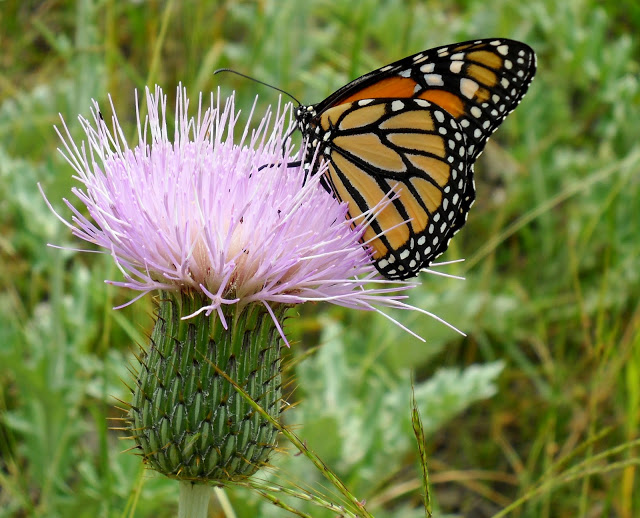
Me, I’ve got no particular human Valentine at present. Such love as I have to give, I want to dedicate to the forests and the birds, the butterflies and the flowers that are, to me, the most beautiful manifestations of LOVE on this planet.

DSCN2252

Any expression of love is far and away more potent than expressions of hatred and violence.

If you love someone, you should, by all means, shower them with kisses and caresses.  You should be extravagant in your appreciation.

Likewise, if the object of your affection is a tree or a landscape or a bright, joyful living thing—say, a tadpole or a fish or a magnificent coral—go ahead and shower that being with the love it deserves.

The only meaningful counter to the hatred, disrespect and violence that has become the norm in Western culture is the intentional distribution of LOVE.

Love is all you need, crooned the Beatles.  Maybe they were on to something.

Against Mono-cropping, both Agricultural and Cultural

Did you know that there are more living organisms in a cup of healthy soil than there are humans on this blessed planet of ours?

This week I’ve been reading Judith Schwartz’s book Cows Save the Planet with my classes (“Women Write the World” and “Writing for Social and Environmental Justice”); the book makes a strong case for the importance of maintaining biodiversity not just in the plants and animals we can see (big ones like trees and polar bears) but also in all the infinitesimal life that crowds into every square inch of our Tierra Madre, Mother Earth.

As I think about the teeming life in a teaspoon of soil, what really strikes me is how biological loss of diversity is a mirror of cultural diversity loss.

Human beings are relentlessly narrowing the sphere of possibility for many life forms on the planet.  And at the same time, our global culture is becoming more homogenous and limited.

Take the consolidation of the media, whether it be in publishing, TV and radio channels, or newspapers.  Where a thousand different voices used to sound, now there are only the monolithic behemoths: Comcast, TimeWarner, Random House, Bloomberg.

UnknownWhere there used to be a thousand different ideals of female beauty, now there is just this.

How different is this from the reduction of thousands of different varieties of corn, rice, wheat and other seeds, to just the One Great GMO Variety?

Well, as hard as the intellectual property lawyers try to clamp down on diversity, the unauthorized weeds spring up anew.

I feel like the work I’m doing to create the Berkshire Festival of Women Writers is part of the resistance to cultural mono-cropping.

Instead of bowing to conventional celebrity culture, where the only important voices are the ones that have been anointed by the media gatekeepers, the Festival insists that every woman who writes from the heart has a story to tell that matters.

Conventional media dictates that anyone who gets a microphone must be media-pretty, articulate under pressure, and non-threatening to the political and cultural status quo.

Those who don’t fit this mold are consigned to the margins.

At the Berkshire Festival of Women Writers, the margins come to the center, with spectacular results!

The Festival aims to provide platforms for those would not otherwise be heard—teenage women alongside older women, women who have never published before alongside seasoned published authors in a wide variety of genres.

Unknown-1

Festival presenter Amber Chand

While few of the 150 women presenting in the Festival have celebrity status or “name recognition,” they have something more special: they are women who write and present from their hearts, not for financial gain but for the pleasure and the power of sharing their perspectives and ideas with others.

The Festival aims to change the world one woman at a time by shifting from a celebrity-based mono-crop cultural landscape dominated by centralized media, to a diverse, vibrant, locally grown environment in which women are celebrated not for how they look but for what they think and write about the most important issues of our time.

Could it be that as more women speak from outside the mold of popular culture, the external world will change as well?

Drinking Deep from the Elixir of the Berkshire Festival of Women Writers

BFWW-vertical-logoJanuary is the season when I must work like mad to get the Program for the 2014 Berkshire Festival of Women Writers out to the printers, so that it will be ready to distribute in February.

For months now, program coordinator Jan Hutchinson and I have been finalizing all the details, gathering the descriptions and bios and photos for no fewer than 58 separate events, featuring more than 150 women and girls at some thirty different venues throughout Berkshire County, including of course our principal sponsor Bard College at Simon’s Rock.

We’ve also been soliciting advertising and sponsors with the help of our hard-working Miss Hall’s School Horizons interns, supervised by organizing committee volunteers Judy Nardacci and Lorrin Krouss.

And committee members Maureen Hickey, Joanne Cooney, Vera Kalm and Johanna Janssen have been helping to generate the funds necessary to sustain a growing Festival like this one, with considerable success—we have dozens of contributors to thank this year.

Once I finish my part of the Program, I’ll send the copy over to Festival graphic designers Alice and Anna Myers, who will work their magic and send it off to our fabulous printer, John DiSantis at Quality Printing, who always does such a stellar job for us.

Then we’ll turn out attention to getting the website up to speed, and getting out our own publicity in local and regional publications and calendars, aided by the very capable and calm Lynnette Lucy Najimy of Beansprout Productions.

In short, our Festival is a huge effort, representing the combined forces of so many talented people in the Berkshires, all coming together to brighten up the often drab month of March with readings, workshops, performances and discussions highlighting the creative energy of women and girls.

I may be grumbling about the frenetic workload now, but I know once March 1 rolls around and our Festival starts to gather steam, the delicious vitality of women’s words will carry me along to inspirational highs I could never have conjured on my own.

1528653_548356822534_515979881_nThat’s what the Festival is all about—it’s a grand collaborative gift that we give to our community, and not only in March.  This year we’ve begun to offer year-round programming as well: the monthly Lean In group for women writers, co-hosted by Lesley Ann Beck and yours truly at the Berkshire Museum; the Writing from the Heart readings, which we’ll be offering next on February 13 at The Mount; a special Mother’s Day event planned for May at the Sandisfield Arts Center; and the new weeklong Writing Workshops for Women, going on right now and again in June.

The energy of so many creative women and girls coming together to share their ideas and perspectives in the public sphere ignites an alchemical combustion that produces a heady, exhilarating kind of mental/emotional elixir.

We all feel it, presenters and audiences alike—the sheer joy of coming together to shine our creative lanterns at each other, beckoning and inspiring each other on to new heights.

Clarissa Pinkola Estes would call what we do in the Festival “displaying the lantern of the soul.”  In a recent blog post she said that “to display the lantern of soul in shadowy times like these – to be fierce and to show mercy toward others; both are acts of immense bravery and greatest necessity.
Struggling souls catch light from other souls who are fully lit and willing to show it.”

Meet us out on deck at the Berkshire Festival of Women Writers, and bring your lantern!  Let’s create beacons bright enough to illuminate the way forward, together.

Cherry Hill Beach copy